





News
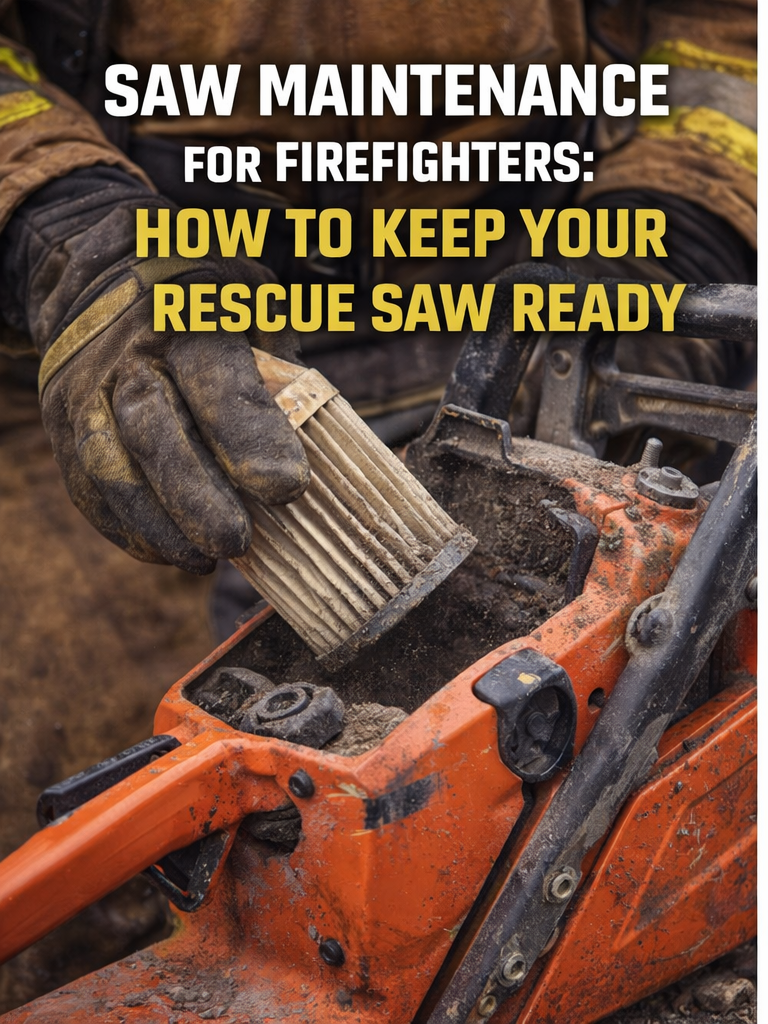
Saw Maintenance for Firefighters: How to Keep Your Rescue Saw Ready
When your rescue saw is needed, it’s not optional—it has to work.
There’s no warm-up period on the fireground. No second chances. If the saw doesn’t start, bogs down mid-cut, or underperforms when ...
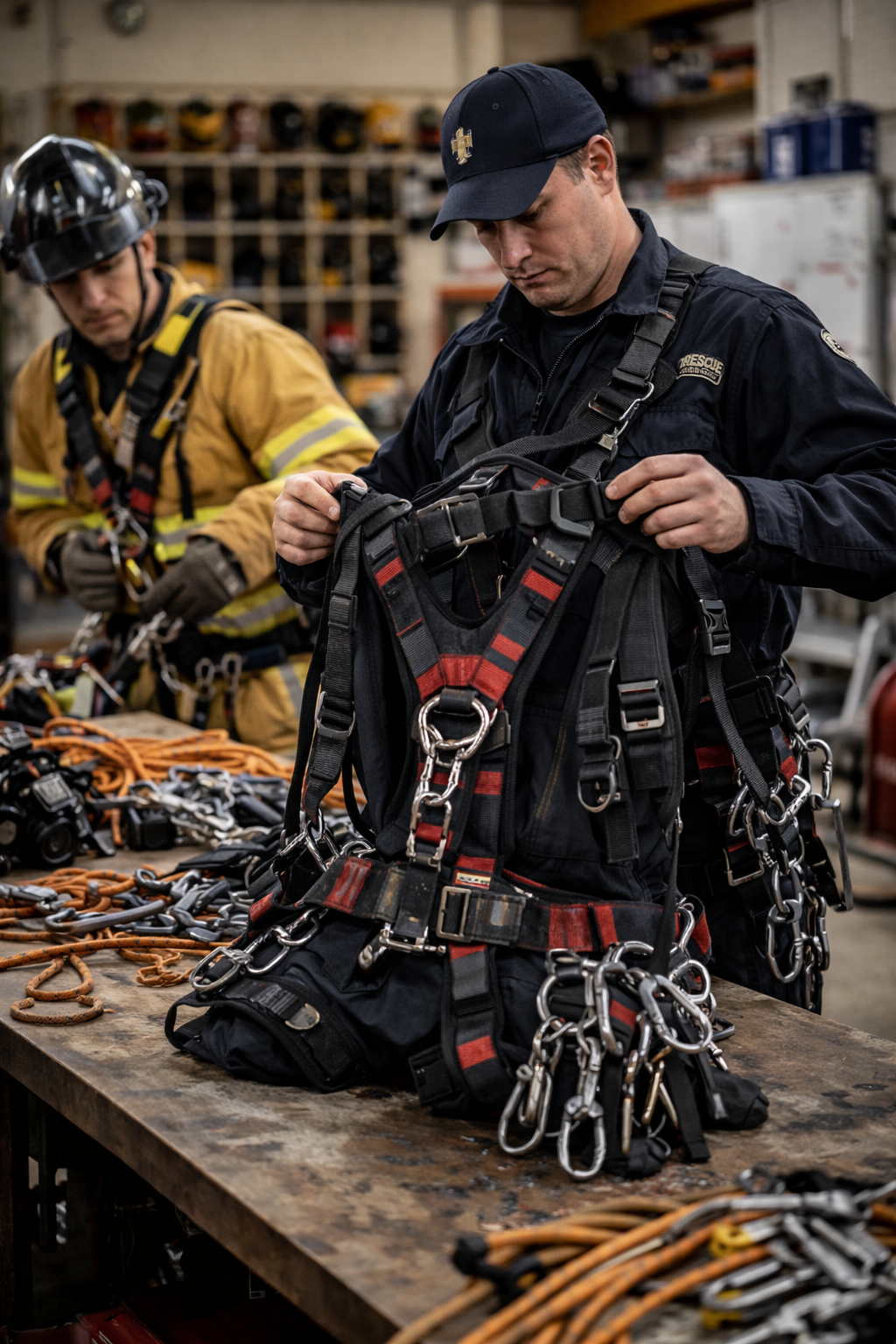
Inspecting and Maintaining Rescue Harnesses Is About Trust, Not Checklists
Harness inspections are easy to treat as routine. A quick glance. A mental check. Another piece of gear cleared for use.
But rescue harnesses don’t usually fail suddenly. They degrade quietly. And ...
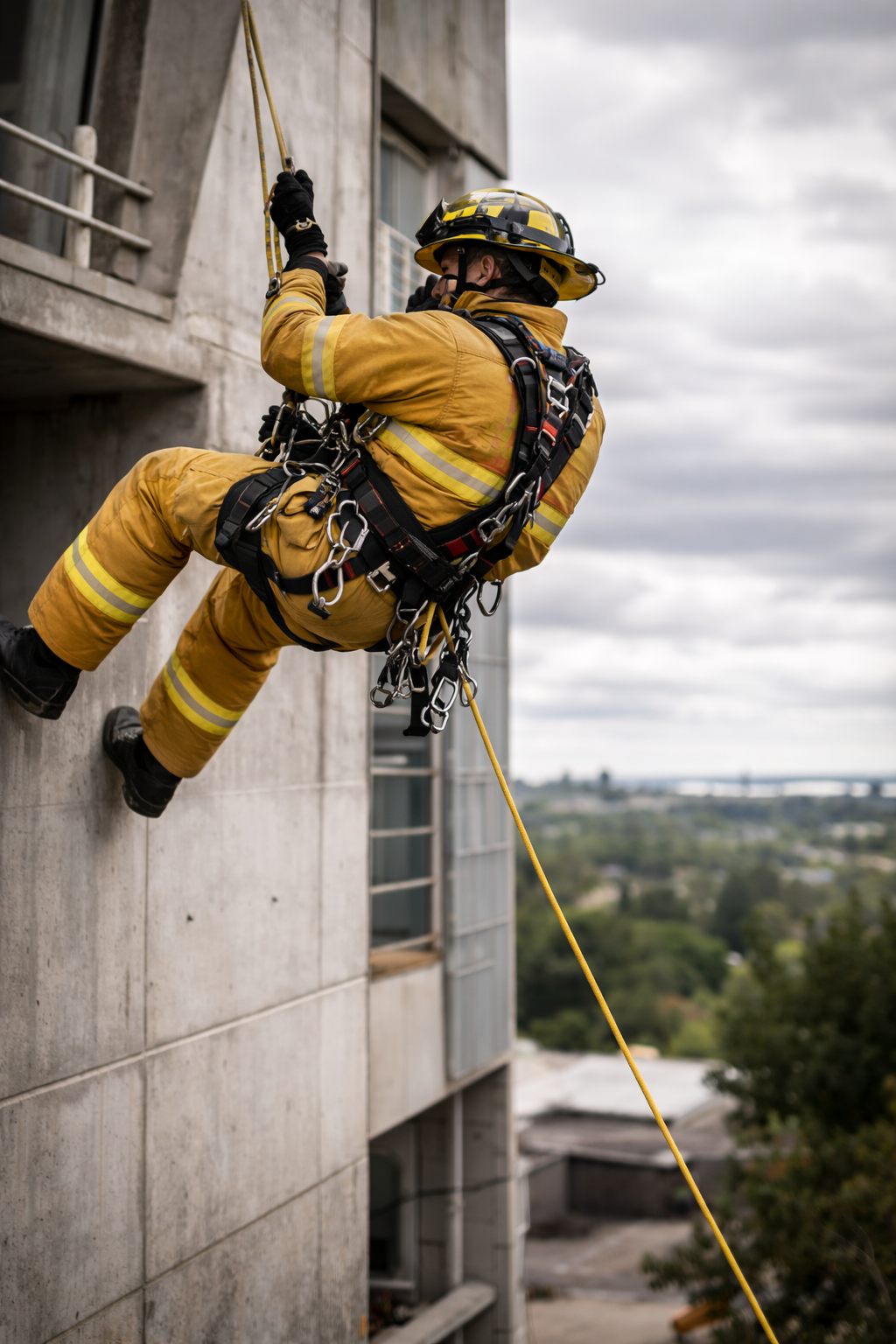
Why Fall Arrest Harnesses Don’t Belong in Fire-Rescue Rope Operations
On paper, fall arrest harnesses and rescue harnesses can look similar enough to cause confusion. Both wrap around the body. Both connect to rope or hardware. Both are rated to hold weight.
In real ...
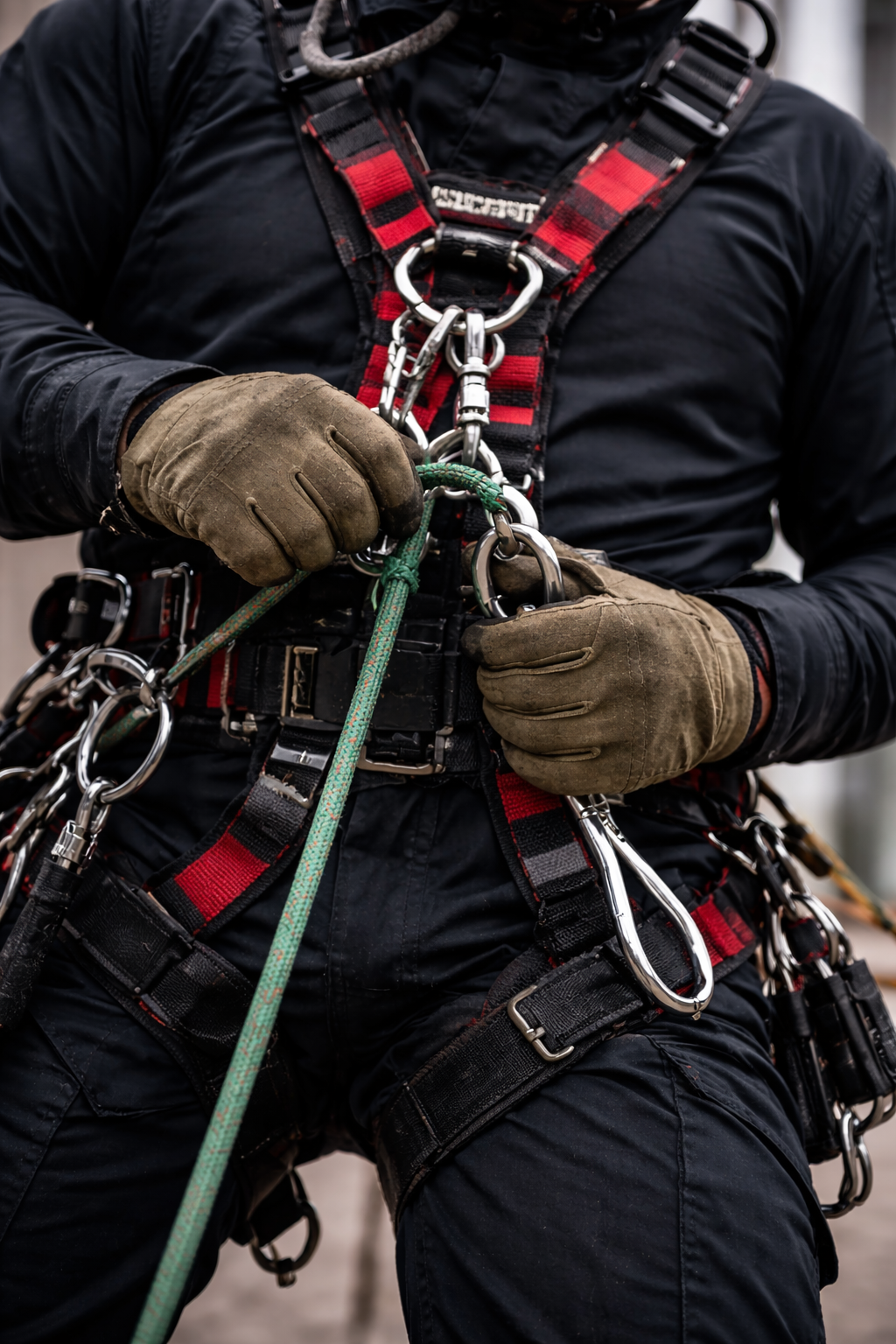
Understanding Your Rescue Harness
Most firefighters learn how to put a harness on long before they learn what it’s actually doing once they’re suspended. In training, it’s easy to focus on knots, systems, and commands. The harness ...

Choosing the Right Rescue Harness for Fire-Rescue Operations
Most firefighters don’t realize whether a harness is right or wrong until it’s too late to change it. By the time you’re clipped in, weighted, and committed to the system, the decision has already ...
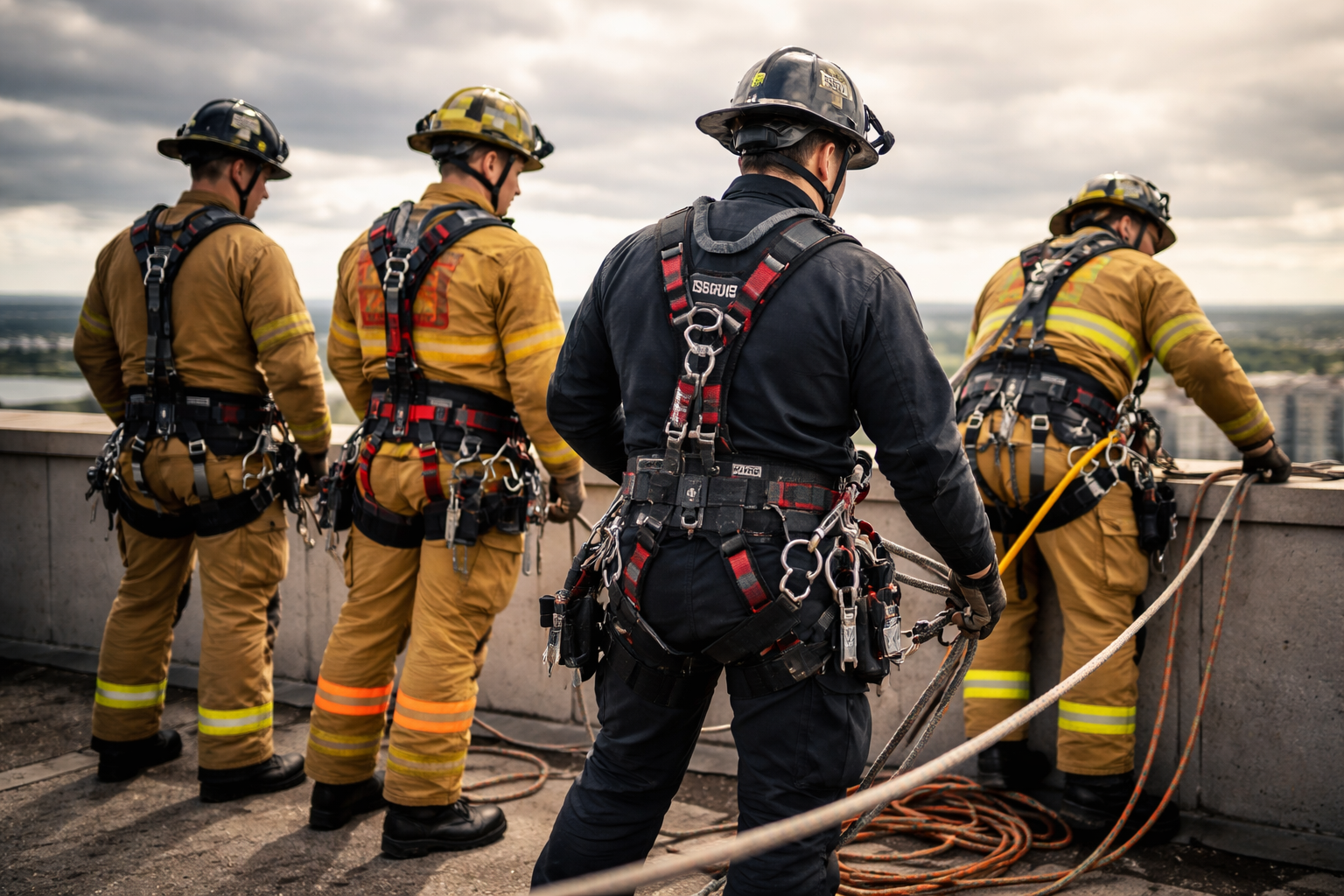
The Different Types of Rescue Harnesses
When you first learn rope rescue, the harness often feels like an afterthought. It’s just the thing you clip into so you can get on with the work. But once you’ve spent time suspended on a line — n...
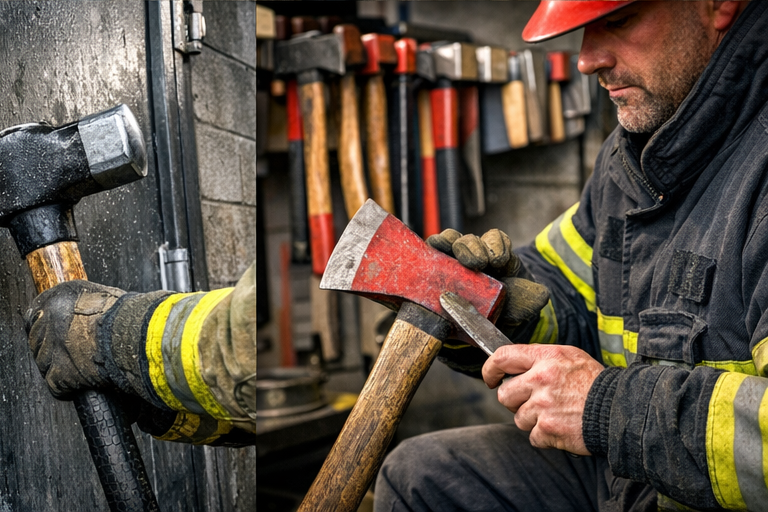
Axe Maintenance for Fire Departments: Edge Care, Handles, and Storage
Axe maintenance is often viewed as a secondary task, but tool condition has a direct impact on performance and safety. A poorly maintained axe requires more effort, produces inconsistent results, a...
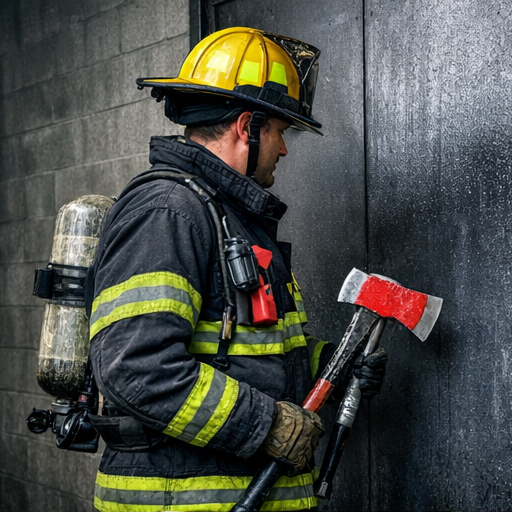
Axe vs Halligan: When an Axe or Maul Is the Better Tool
Forcible entry is often taught around a single primary tool, most commonly the Halligan. While the Halligan is undeniably versatile, relying on it as the default solution for every entry scenario c...

How Axe Weight Affects Breaching Power
Axe weight is often treated as a personal preference rather than an operational decision. In reality, the weight of your axe or maul directly affects breaching power, fatigue, control, and overall ...