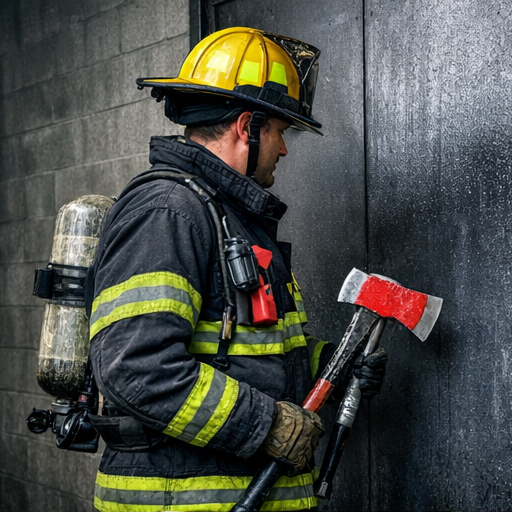
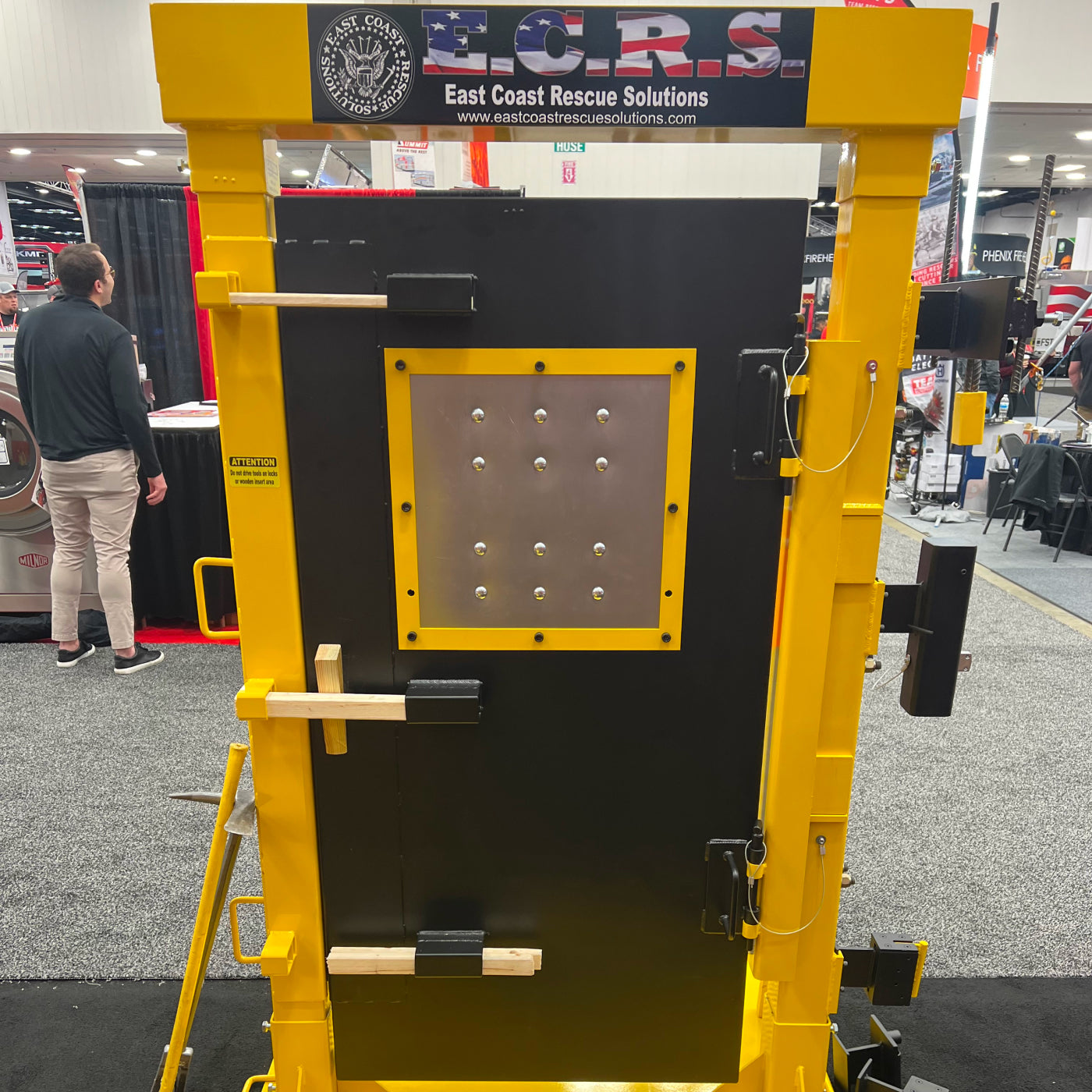
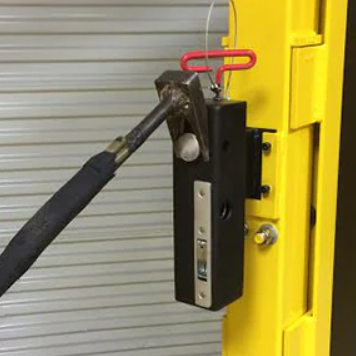







Axe weight is often treated as a personal preference rather than an operational decision. In reality, the weight of your axe or maul directly affects breaching power, fatigue, control, and overall efficiency. Understanding how different weights perform allows you to match the tool to the task instead of forcing one solution onto every entry problem.
Heavier does not always mean better, and lighter does not always mean faster. Effective forcible entry sits at the intersection of force, accuracy, and endurance.
How Weight Influences Force and Control
From a practical standpoint, axe weight affects how much energy is transferred into the target and how consistently you can deliver that energy. Heavier tools generate more momentum, but only if you can control the swing and maintain accuracy.
Lighter tools, on the other hand, rely more on speed and repetition. They can be extremely effective when used correctly but may struggle against heavily reinforced materials.
The goal is not maximum force—it is usable force.
When a 6 lb Axe Makes the Most Sense
Six-pound axes are commonly favored because they strike a balance between power and maneuverability. You can swing them repeatedly without excessive fatigue, which makes them effective during prolonged operations or interior work.
You will often find a 6 lb axe appropriate when:
-
Working residential doors
-
Operating in confined interior spaces
-
Performing extended training evolutions
-
Precision and control matter more than raw impact
Because these axes are easier to manage, they allow you to stay accurate even as fatigue sets in.
Where an 8 lb Axe Adds an Advantage
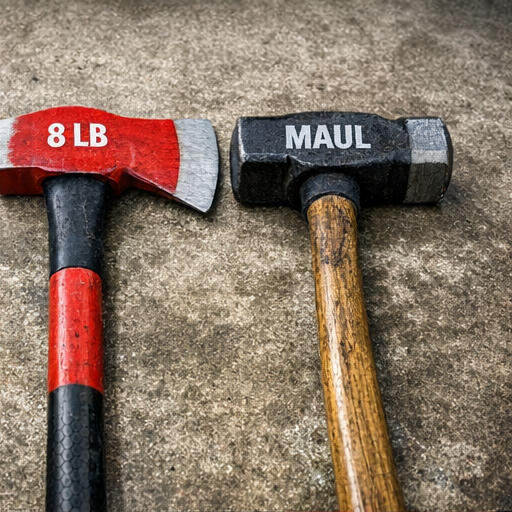
An 8 lb axe increases impact force without moving into full maul territory. That added mass can make a meaningful difference when encountering denser materials or reinforced components.
You may benefit from an 8 lb axe when:
-
Striking steel frames
-
Defeating reinforced lock housings
-
Creating initial deformation before prying
The tradeoff is endurance. Poor technique or prolonged use can lead to faster fatigue, which ultimately reduces effectiveness.
Why Mauls Excel in High-Resistance Entry
Mauls are designed specifically for force transfer. Their mass allows you to deliver powerful, controlled strikes without relying solely on swing speed. This makes them especially effective on commercial and reinforced doors.
Unlike lighter axes, mauls allow you to let the tool do more of the work. When used correctly, they reduce the need for exaggerated swings while still delivering decisive force.
Matching Weight to the Assignment
There is no single “correct” weight for every situation. The most effective forcible entry programs account for:
-
Door and frame construction
-
Expected resistance
-
Duration of the operation
-
Number of available personnel
Stocking multiple tool weights gives you flexibility rather than forcing compromise.
Why Weight Selection Impacts Safety and Efficiency
Incorrect weight selection can increase injury risk and slow operations. Overly heavy tools lead to fatigue and loss of control, while overly light tools may require excessive strikes to achieve results.
Choosing the right weight improves consistency, reduces unnecessary damage, and supports safer operations overall.