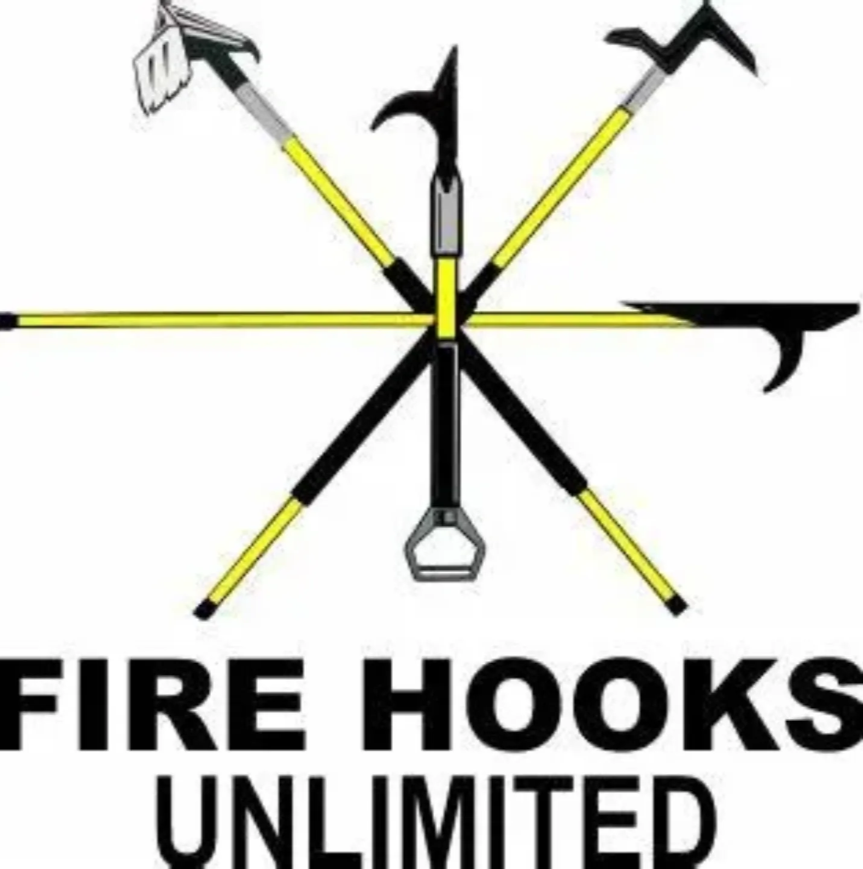


Rescue teams use several types of firefighting hooks during emergency operations, including roof hooks, pike poles, trash hooks, drywall hooks, and multi-purpose hooks. Each hook is designed for specific fireground tasks such as pulling ceilings, opening walls, moving debris, ventilation support, and overhaul operations. Roof hooks are commonly used for aggressive ceiling and wall work, while trash hooks are better suited for debris movement and exterior overhaul. Choosing the correct firefighting hook depends on the type of building, fire conditions, required reach, and the operational needs of the rescue team.
Why Rescue Teams Use Different Types of Hooks
Not every fireground operation requires the same tool. A rescue team working inside a small residential structure may need lightweight hooks that are easy to maneuver in tight hallways, while firefighters operating in large commercial buildings may need longer and more aggressive tools capable of pulling heavy ceilings and opening large void spaces.
That is why most departments carry several types of firefighting hooks on their apparatus.
Different hooks are designed to improve:
- Reach
- Leverage
- Debris removal
- Ceiling access
- Ventilation support
- Firefighter safety
At East Coast Rescue Solutions, firefighting equipment is built around real-world emergency response conditions where rescue teams need tools they can rely on during high-pressure operations.
Roof Hooks
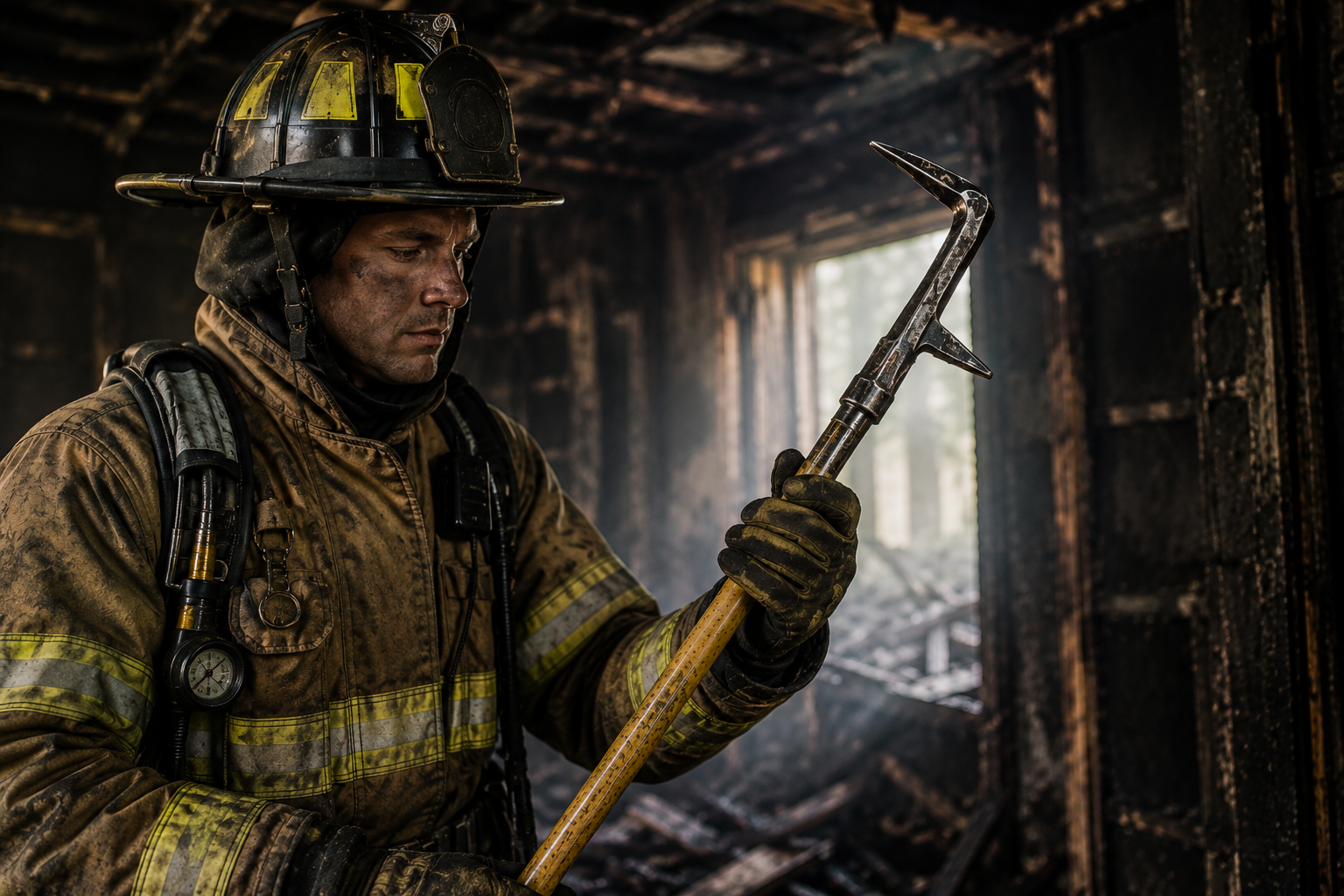
Roof hooks are one of the most widely used firefighting hooks in the fire service. These hooks are designed for aggressive overhaul and ventilation support operations.
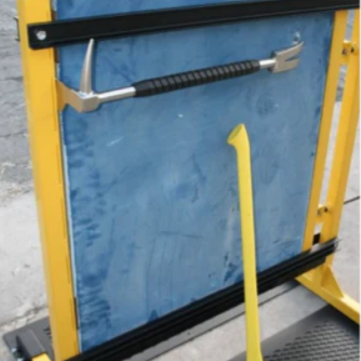
A typical roof hook includes a sharp pike end combined with a forked or chisel-style head that helps firefighters pull ceilings, open walls, and expose hidden fire. Their design provides excellent leverage during heavy pulling operations.
Rescue teams commonly use roof hooks for:
- Ceiling overhaul
- Wall opening
- Commercial fire operations
- Ventilation support
- Hidden fire extension searches
Roof hooks are especially useful in older buildings with plaster-and-lathe construction because they can handle heavier materials more effectively than lighter hooks.
Longer roof hooks also allow firefighters to maintain greater distance from falling debris and unstable materials during overhaul.
Pike Poles
Pike poles are among the oldest and most recognizable firefighting hooks still used today.
These tools feature a long shaft with a pointed metal hook designed for penetrating ceilings, walls, and other lightweight materials. Pike poles are often lighter and more maneuverable than larger roof hooks, making them popular for interior operations.
Rescue teams frequently use pike poles for:
- Residential overhaul
- Pulling ceiling materials
- Checking for hidden fire
- Opening void spaces
- Ventilation work
Because pike poles come in multiple lengths, departments often carry several versions depending on the types of buildings they protect.
Shorter pike poles work well in apartments and residential homes, while longer models are commonly used in commercial structures with taller ceilings.
Trash Hooks
Trash hooks are designed primarily for moving and separating debris during emergency operations.
Unlike roof hooks or pike poles that focus heavily on penetration and pulling, trash hooks use a curved design that allows firefighters to grab, drag, and move materials efficiently.
These hooks are especially useful during:
- Dumpster fires
- Collapse incidents
- Exterior overhaul
- Debris pile operations
- Vehicle fires
Trash hooks help rescue teams move burning or unstable materials while maintaining safer stand-off distance from hazards.
Departments that respond frequently to exterior fires or debris-heavy incidents often rely heavily on trash hooks because of how effective they are during overhaul operations.
Drywall Hooks
Drywall hooks are specialized tools designed for lightweight modern construction.
Many newer buildings use drywall systems that behave differently during fire conditions compared to older plaster construction. Drywall hooks are designed to penetrate and remove these materials quickly and efficiently.
Rescue teams commonly use drywall hooks for:
- Residential overhaul
- Lightweight construction
- Ceiling inspection
- Fast wall opening
- Hidden extension checks
Because modern lightweight construction can fail rapidly during fires, firefighters often need tools that allow them to work quickly while minimizing exposure to dangerous conditions.
Drywall hooks help crews open walls and ceilings efficiently without excessive effort.
Multi-Purpose Firefighting Hooks
Many modern rescue teams prefer tools that can perform multiple fireground functions.
Multi-purpose firefighting hooks combine several operational capabilities into one tool. Depending on the design, they may include:
- Utility shutoff features
- Prying surfaces
- Pulling hooks
- Gas valve shutoff slots
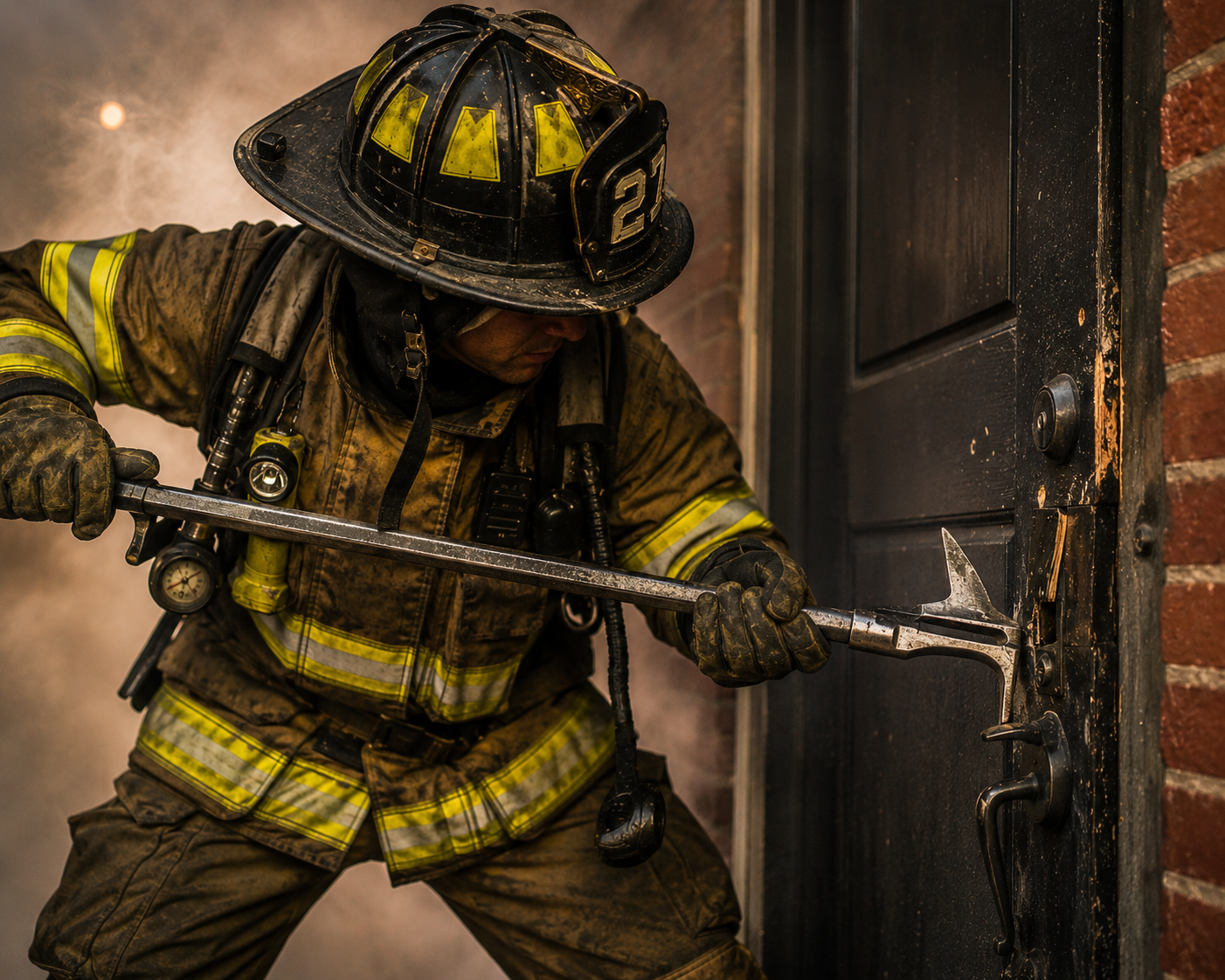
- Forcible entry support features
These hooks are especially valuable for smaller departments or crews operating with limited staffing because firefighters can carry fewer tools while still handling multiple emergency tasks.
Multi-purpose hooks are commonly used during:
- Residential fire responses
- Utility emergencies
- Initial attack operations
- Truck company work
- Fast-moving interior incidents
Their versatility makes them increasingly popular throughout the fire service.
Hook Length Matters
Choosing the correct hook length is just as important as choosing the right hook type.
Shorter hooks provide better maneuverability inside tight residential environments, while longer hooks improve reach and create additional distance from hazards during commercial operations.
Rescue teams often select hook lengths based on:
- Ceiling height
- Building size
- Construction type
- Crew preference
- Apparatus storage space
A hook that works perfectly inside a small residential structure may become ineffective during large-scale commercial overhaul operations.
That is why many departments carry multiple hook styles and lengths to prepare for different emergency situations.
Choosing the Right Hook for the Job
The best firefighting hook depends on the type of emergency operation being performed.
Rescue teams should consider:
- Building construction
- Fire conditions
- Reach requirements
- Interior space limitations
- Debris conditions
- Operational objectives
A roof hook may be ideal for aggressive overhaul inside a commercial structure, while a trash hook may perform better during exterior debris operations. Pike poles often work well during residential interior overhaul, while multi-purpose hooks provide flexibility during fast-moving incidents.
Understanding the strengths of each hook type helps firefighters work more efficiently and safely during emergency response operations.
Training With Firefighting Hooks
Even the best firefighting hook requires proper training.
Firefighters need to understand:
- Proper pulling techniques
- Safe positioning
- Leverage control
- Overhaul procedures
- Hazard awareness
- Tool limitations
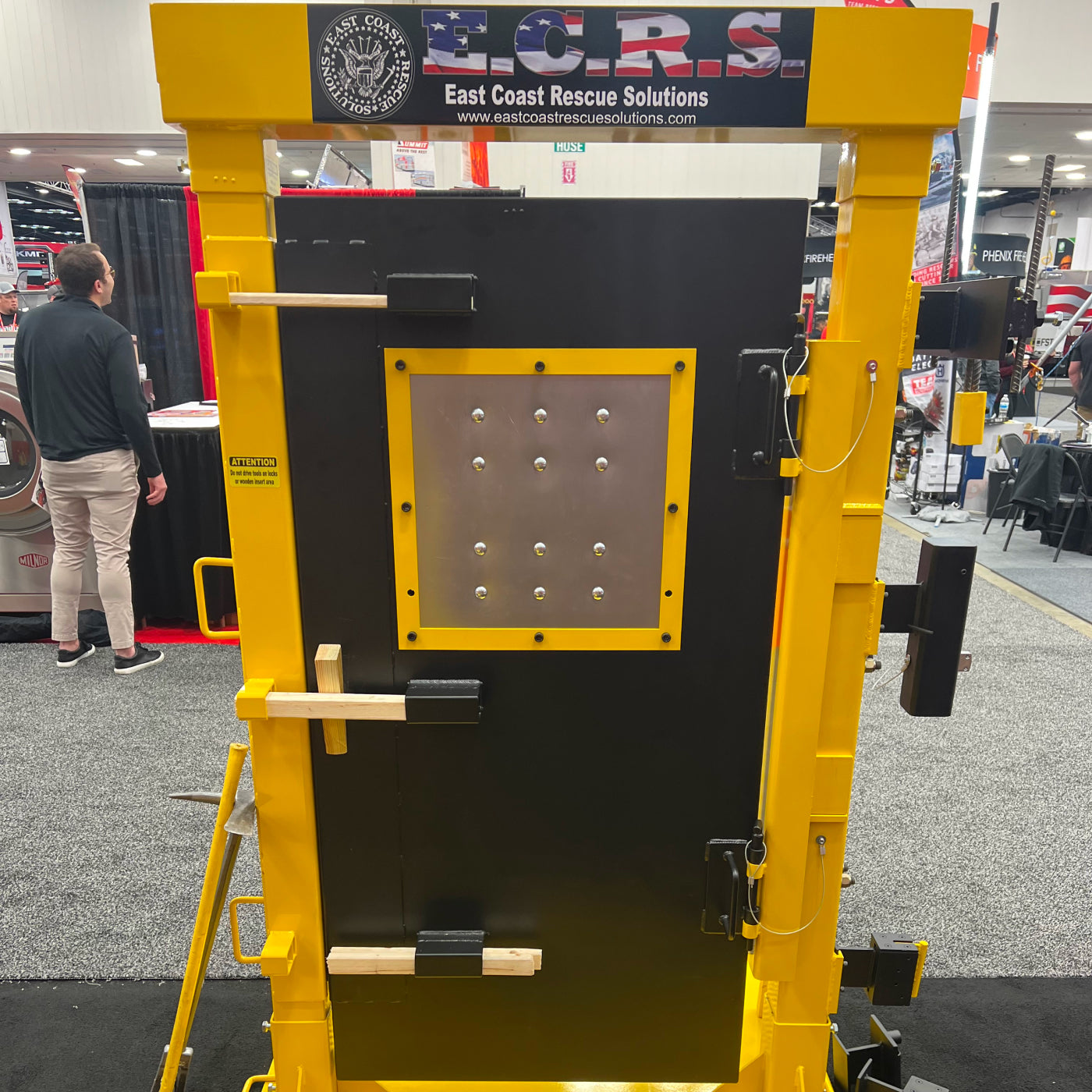
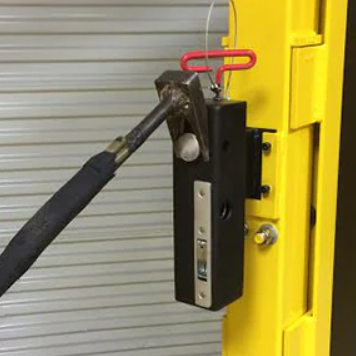
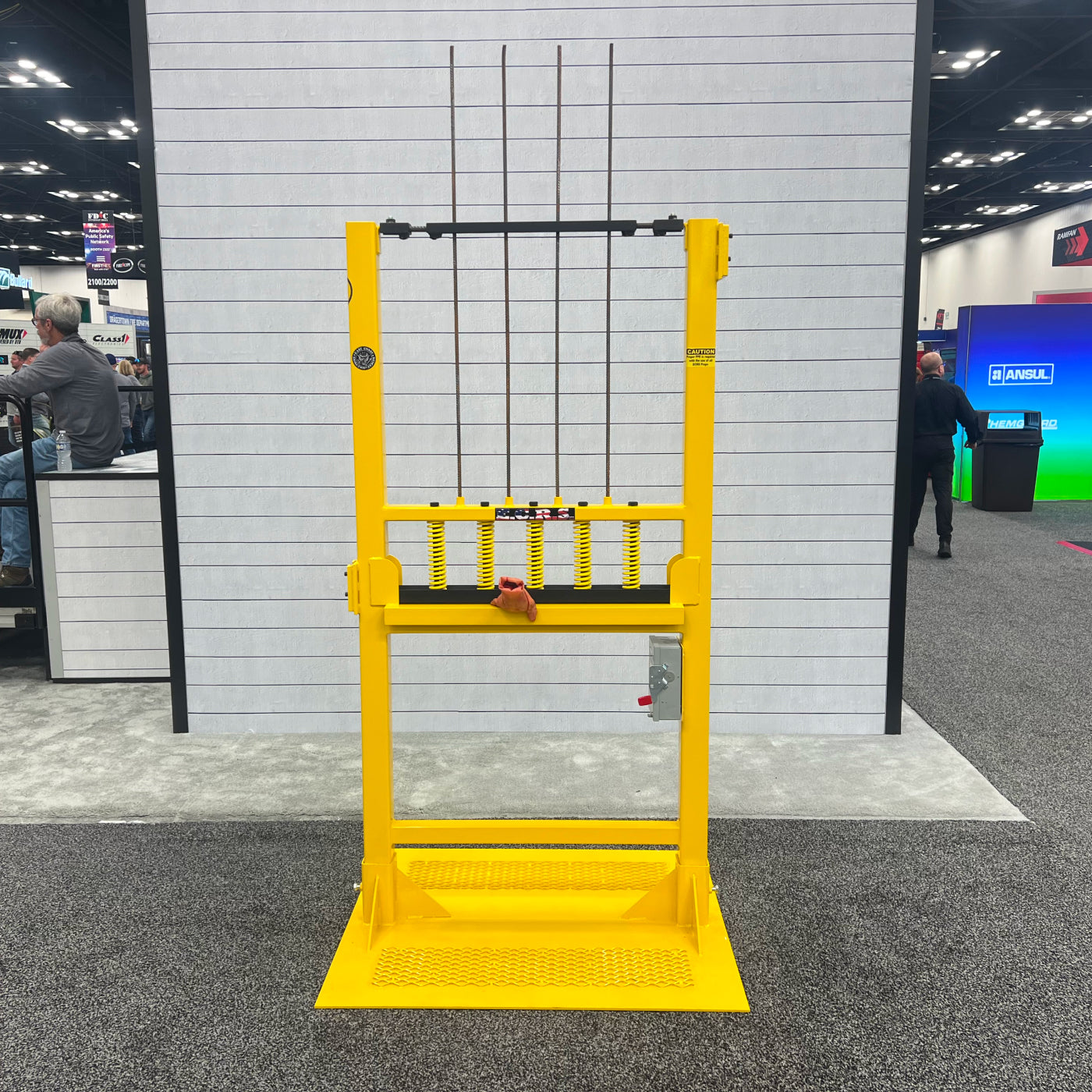
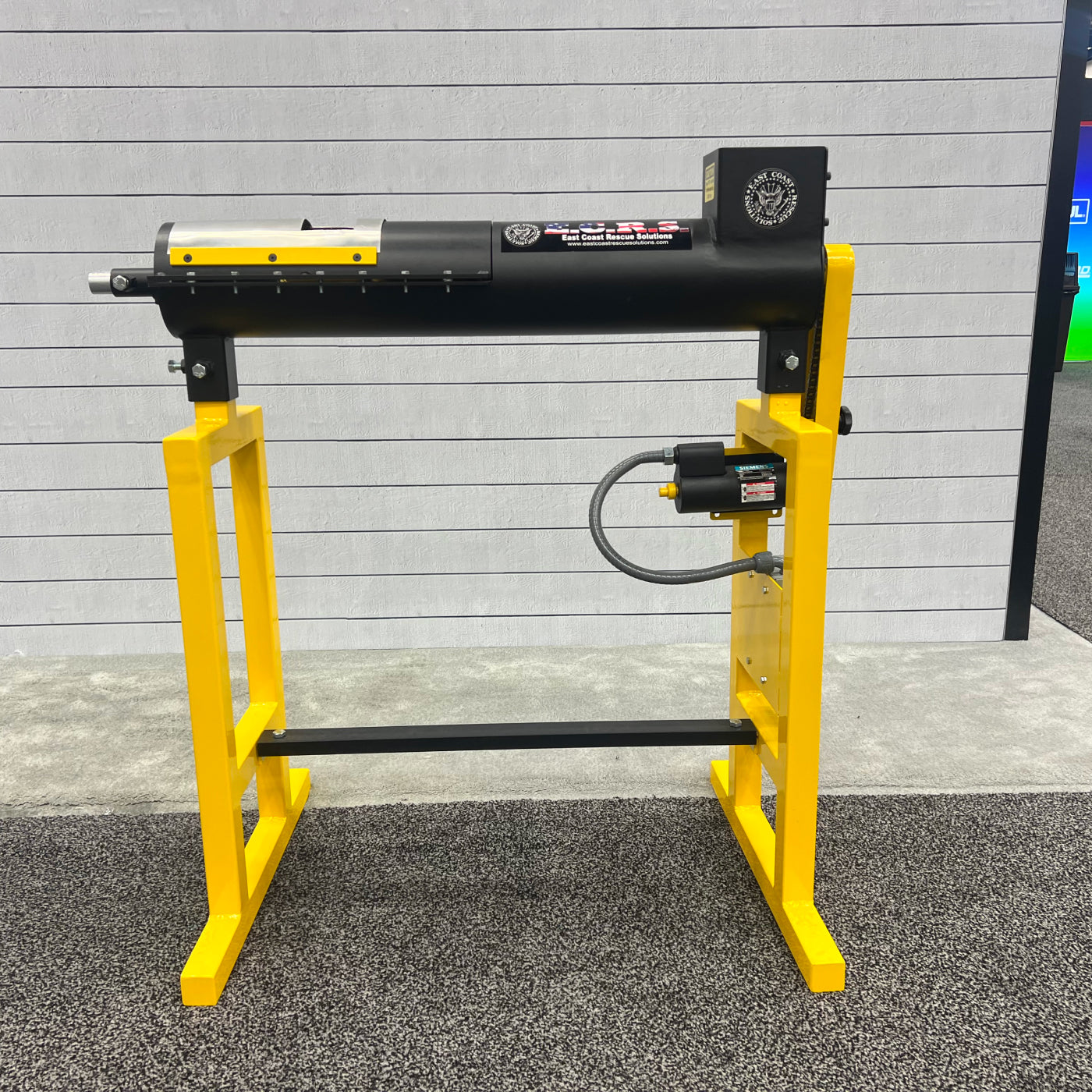
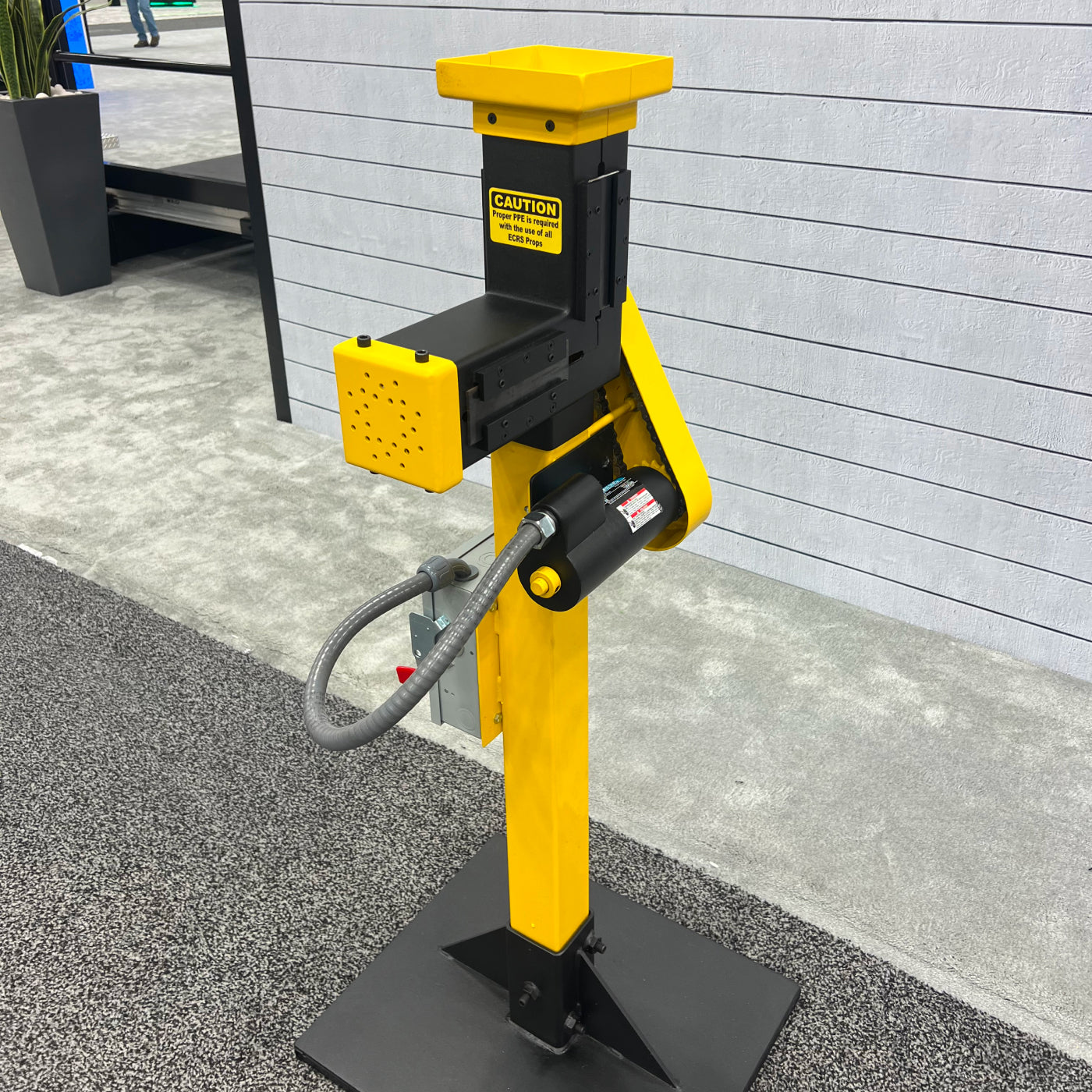
With our Training Programs, firefighters train using realistic props and hands-on scenarios designed to improve operational readiness under real-world conditions.
Consistent training helps rescue teams become faster, safer, and more effective during emergency operations.
Final Thoughts
Firefighting hooks remain some of the most versatile and important tools used by rescue teams today. From roof hooks and pike poles to trash hooks, drywall hooks, and multi-purpose tools, each type serves a specific role on the fireground.
The right hook depends on the emergency situation, the type of structure involved, and the operational needs of the rescue team.
When firefighters are operating in smoke, heat, unstable environments, and debris-filled conditions, dependable tools make a major difference. Choosing the right firefighting hook helps improve safety, increase efficiency, and support more effective fireground operations.