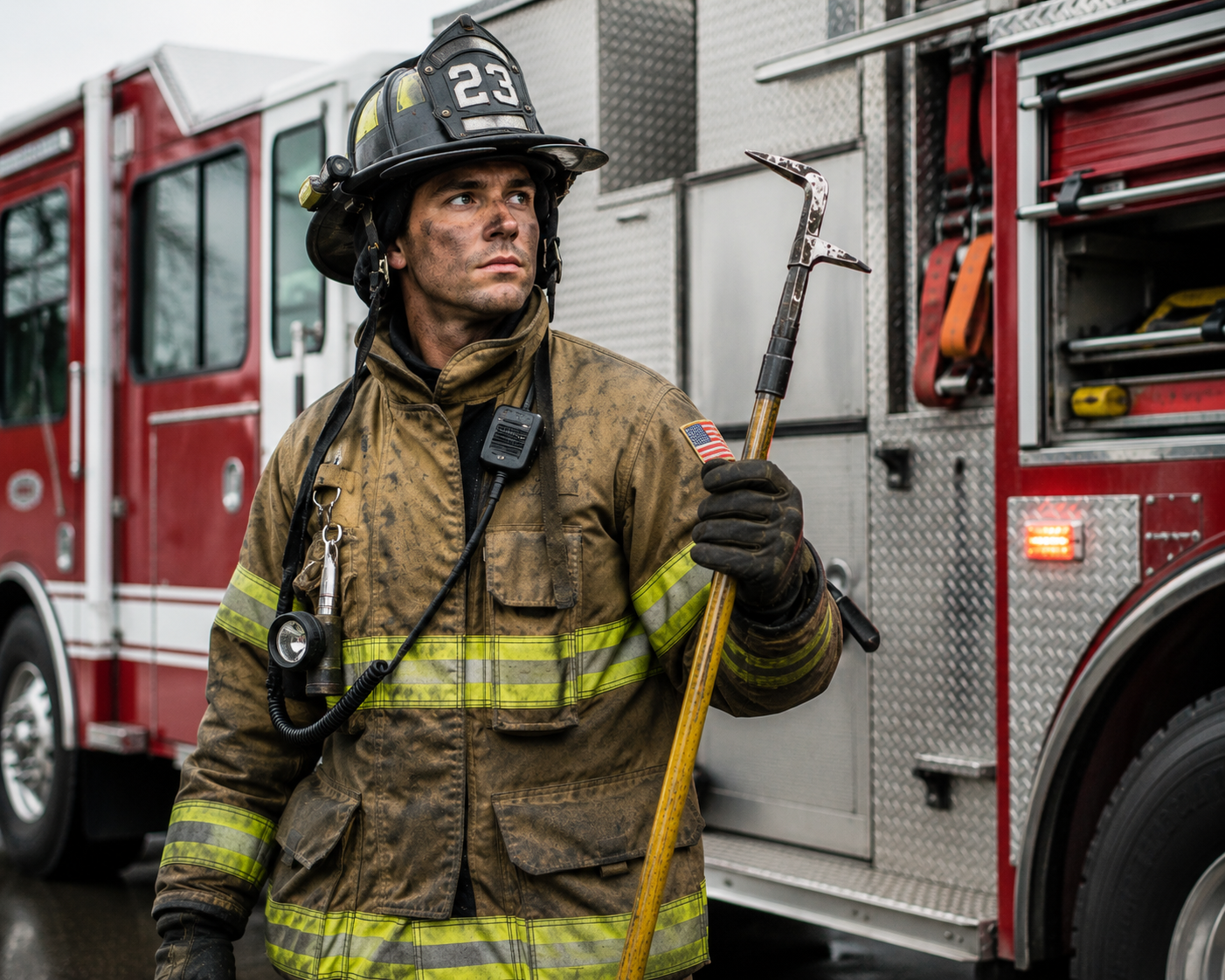
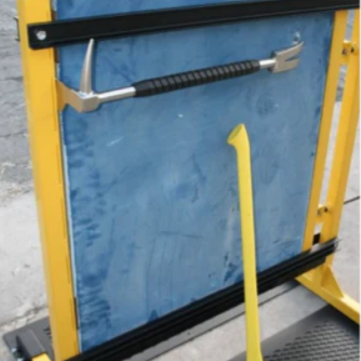





A Halligan bar is one of the most important forcible entry tools used by firefighters and rescue teams.
When choosing a Halligan bar, the main features to consider include material strength, bar length, fork design, adz size, weight, grip, versatility, and compatibility with forcible entry techniques.
The right Halligan bar should provide durability, strong leverage, reliable control, and the ability to perform effectively during forcible entry, overhaul, prying, breaching, and rescue operations.
Different Halligan bar designs are better suited for different fireground environments, staffing levels, and operational needs.
Why the Halligan Bar Is So Important
Few tools are more closely associated with the fire service than the Halligan bar. Originally designed specifically for forcible entry operations, the Halligan has become one of the most trusted and versatile tools carried on fire apparatus today.
Firefighters use Halligan bars during:
- Forcible entry
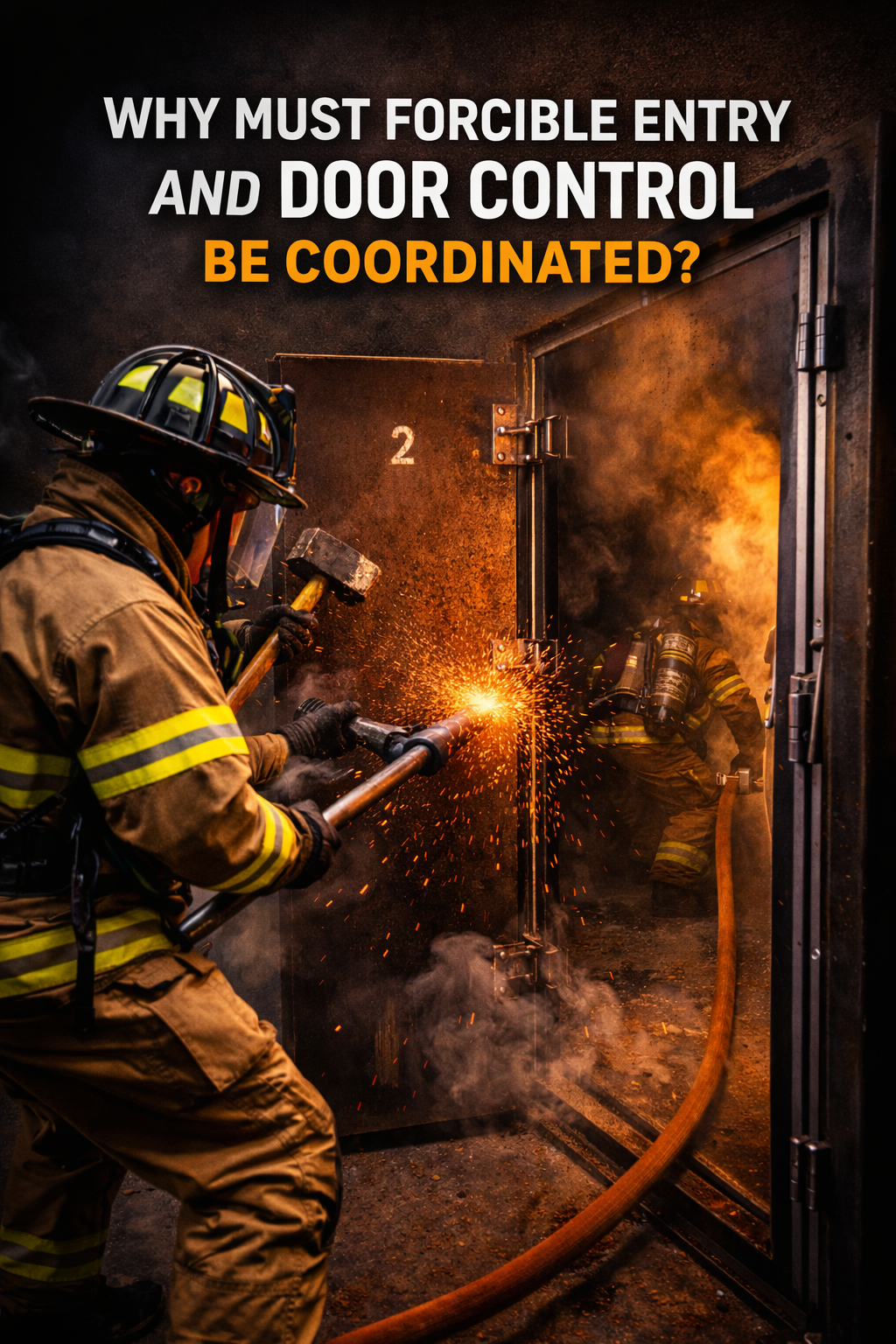
- Door control
- Overhaul operations
- Wall breaching
- Utility access
- Vehicle incidents
- Rescue situations
A properly designed Halligan bar allows firefighters to apply significant leverage while maintaining control in dangerous environments. Because the tool is used under extreme pressure and force, choosing the right Halligan bar can make a major difference during emergency operations.
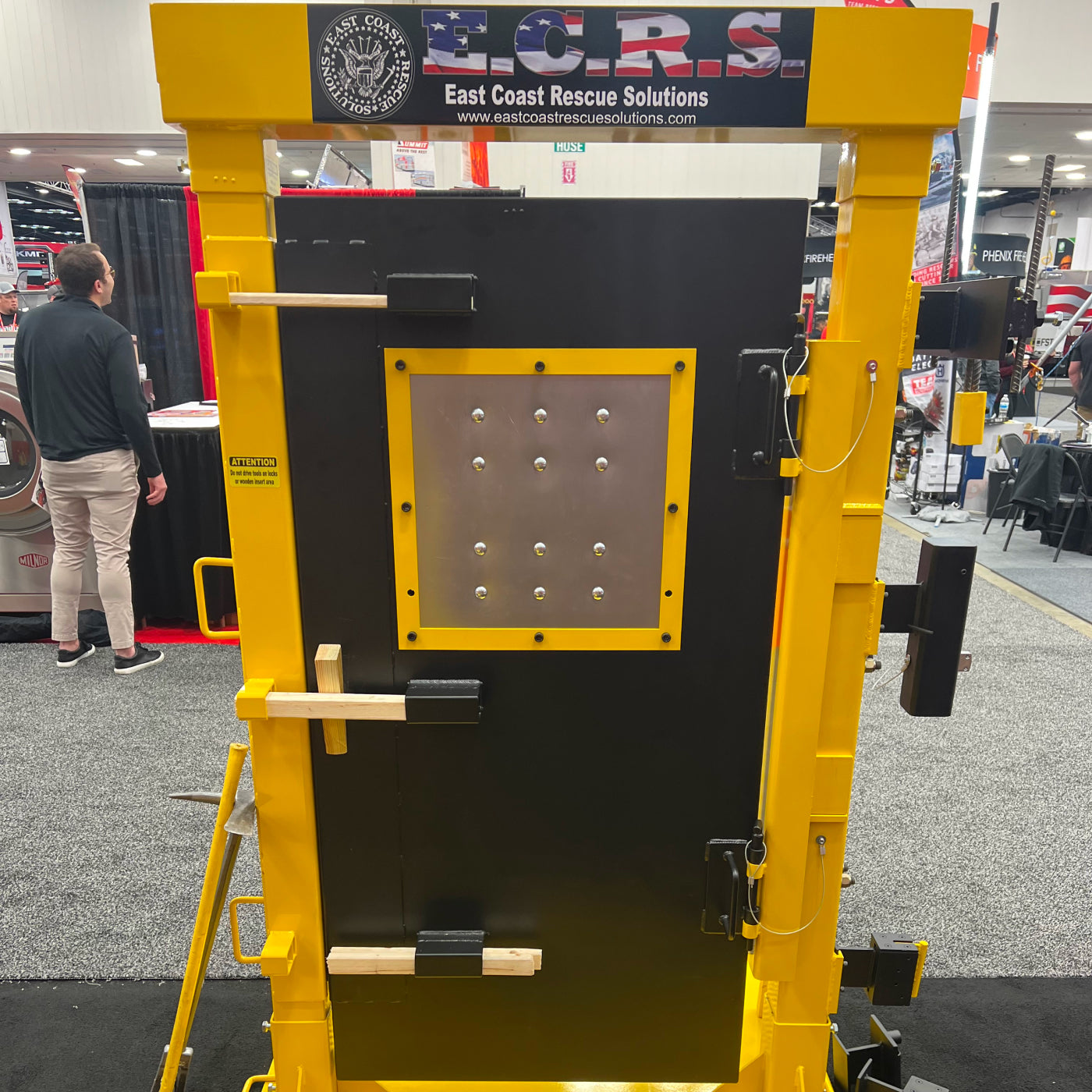
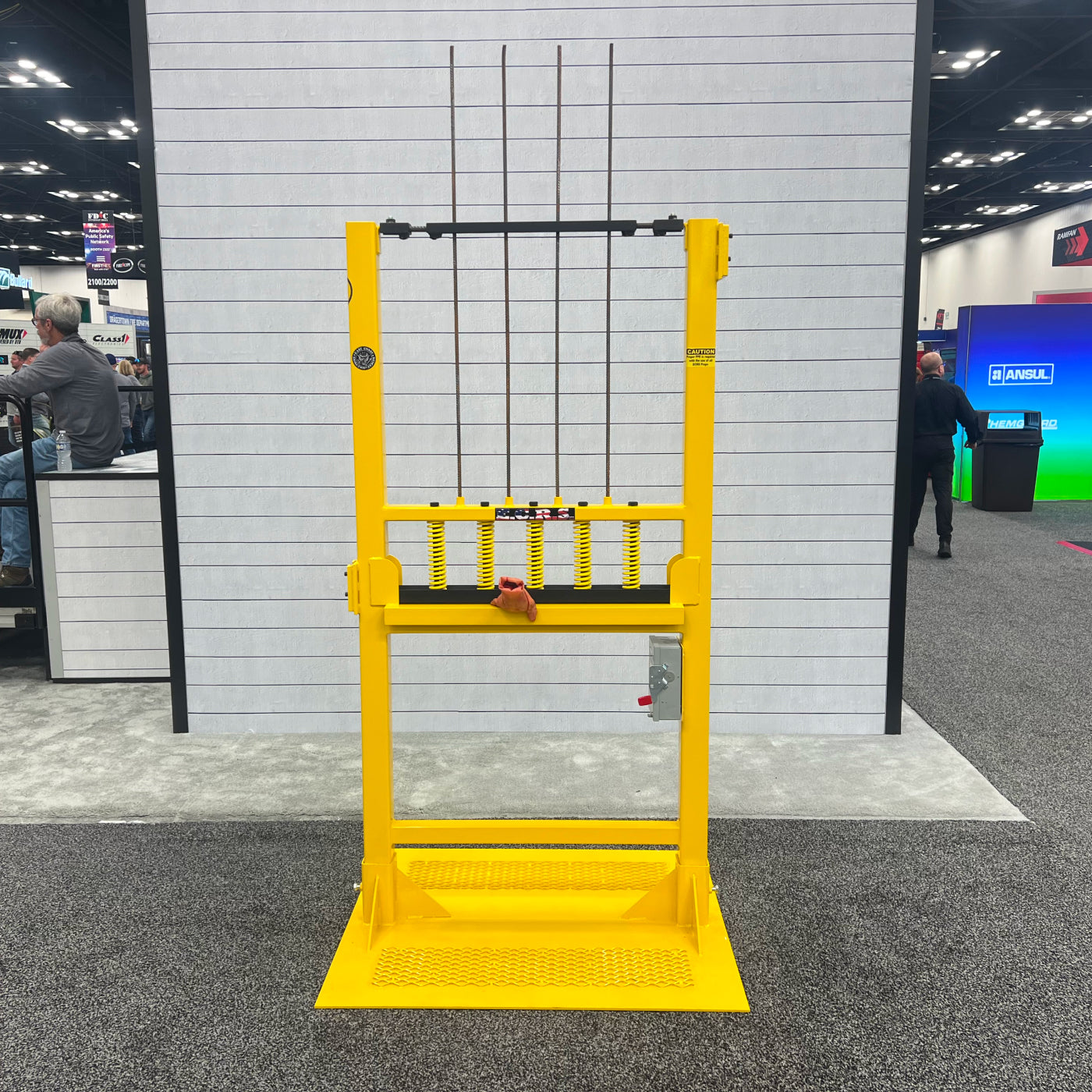
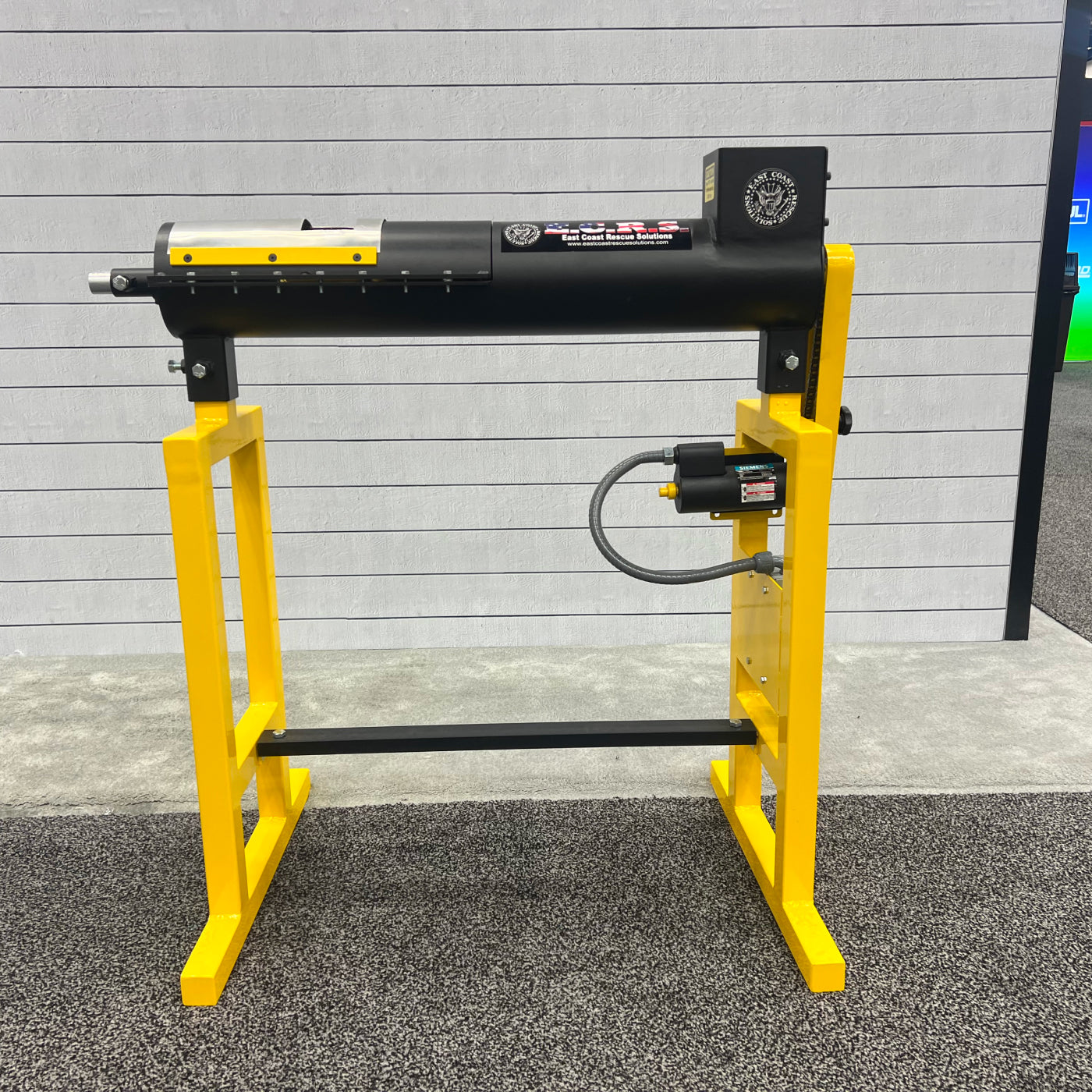
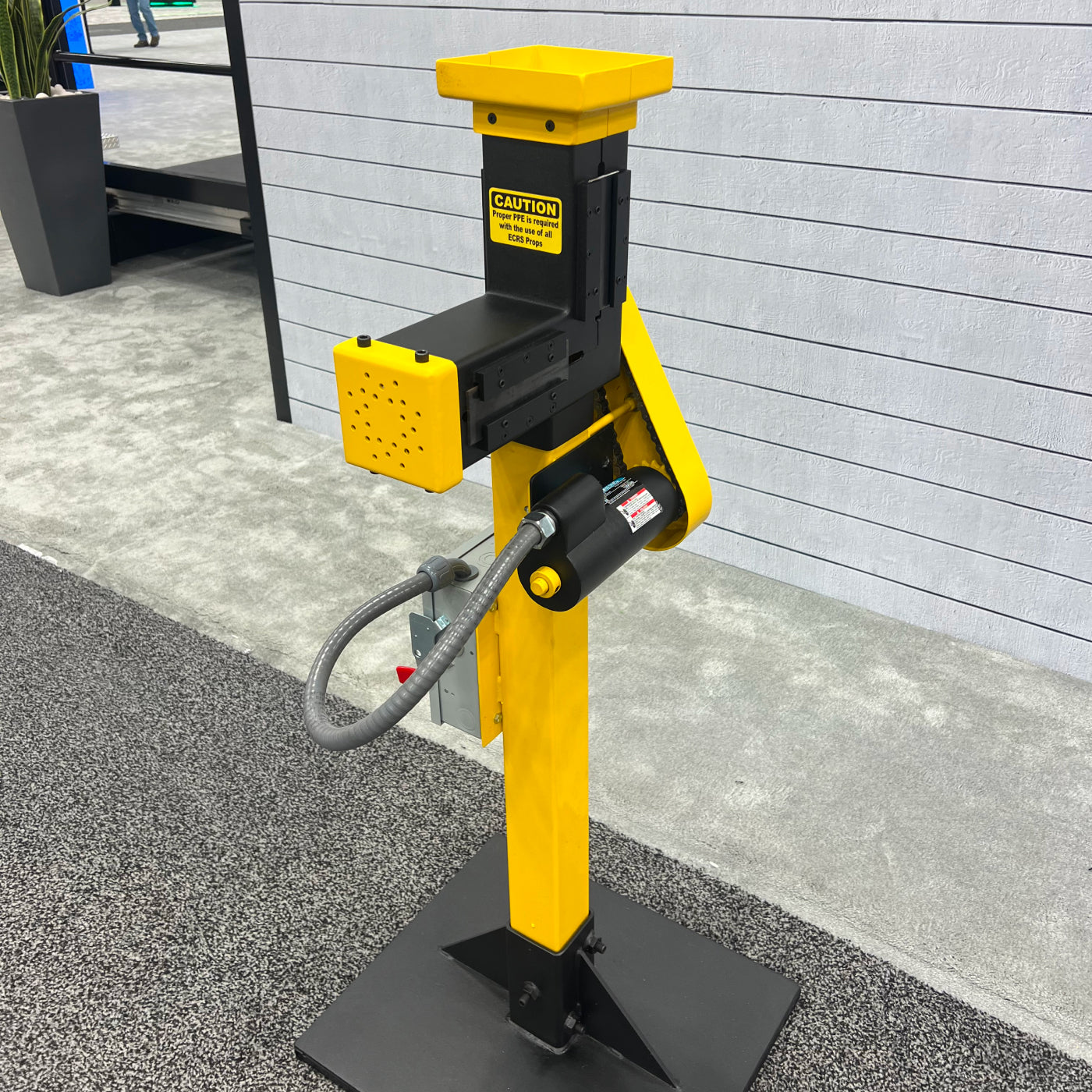
At East Coast Rescue Solutions, forcible entry equipment is designed around realistic fireground conditions where firefighters need dependable tools that perform under stress.
Material Strength and Construction
One of the most important features of a Halligan bar is the material used to build it.
Most professional-grade Halligan bars are made from forged steel because of its durability and ability to withstand repeated impact and leverage forces. A high-quality Halligan should maintain its shape and structural integrity even after aggressive forcible entry operations.
Firefighters should pay close attention to:
- Forged vs. welded construction
- Steel quality
- Heat treatment
- Overall durability
Forged one-piece Halligan bars are often preferred because they reduce potential weak points that may develop in welded tools over time.
Since Halligans are frequently struck with axes or sledgehammers during forcible entry, durability is critical for both performance and firefighter safety.
Halligan Bar Length
Length is another major factor when selecting a Halligan bar.
Longer Halligans provide greater leverage during forcible entry operations and can help firefighters maintain safer distance from doors, debris, or hazards. However, larger bars can also become heavier and harder to maneuver in confined spaces.
Shorter Halligans are easier to carry and control, especially during interior operations or fast-moving incidents.
Common Halligan lengths include:
- 24-inch bars
- 30-inch bars
- 36-inch bars
Many firefighters consider the 30-inch Halligan the most versatile because it balances leverage, portability, and maneuverability effectively.
Departments should choose Halligan lengths based on:
- Building types
- Crew preference
- Apparatus space
- Operational style
- Typical forcible entry scenarios
Fork Design
The fork is one of the defining features of a Halligan bar and plays a major role in forcible entry performance.
A properly designed fork should:
- Penetrate door gaps efficiently
- Maintain strong grip during prying
- Resist bending under pressure
- Work effectively with common door types
Some Halligan forks are designed with sharper tapers for easier insertion into tight gaps, while others prioritize maximum strength for aggressive prying operations.
The spacing and shape of the fork can also affect how well the tool performs during inward-opening or outward-opening door scenarios.
Rescue teams should choose fork designs that match the types of structures and doors commonly encountered in their response area.
Adz Size and Shape
The adz is the flat blade section opposite the fork and is another important Halligan feature.
The adz is commonly used for:
- Prying
- Gap creation
- Breaching
- Door control
- Overhaul work
A wider adz can improve prying power and surface contact, while thinner adz designs may insert more easily into tight spaces.
The angle and shape of the adz also affect how the tool performs during different forcible entry techniques.
Firefighters who perform aggressive truck work often prioritize Halligans with strong adz leverage and reliable striking surfaces.
The Pike or Point
The pointed end of the Halligan is often overlooked, but it serves several important purposes on the fireground.
Firefighters use the point for:
- Punching through materials
- Breaching
- Pulling
- Probing
- Utility access
- Breaking locks or hardware
A well-designed point should be sharp enough to penetrate effectively while still maintaining durability under repeated impact.
Some Halligan designs use more aggressive points for breaching operations, while others focus on balanced multi-purpose functionality.
Weight and Balance
A Halligan bar must feel balanced in the firefighter’s hands.
An overly heavy tool can increase fatigue during long incidents, while poorly balanced Halligans can reduce control during forcible entry operations.
Weight affects:
- Swing control
- Carry comfort
- Leverage efficiency
- Speed during operations
- Fatigue over time
Many experienced firefighters prefer Halligans that feel solid without becoming overly heavy.
Balance becomes especially important during:
- Rapid forcible entry
- Stairwell operations
- Long-duration incidents
- Confined-space work
Departments should allow firefighters to train with different Halligan styles whenever possible before selecting department-wide tools.
Grip and Handling
Grip design may seem like a small detail, but it can make a major difference during emergency operations.
Firefighters often operate Halligans while wearing gloves and working in wet, smoky, or icy conditions. A tool that becomes slippery under stress can reduce both effectiveness and safety.
Good grip features may include:
- Textured surfaces
- Non-slip coatings
- Proper shaft diameter
- Balanced weight distribution
A secure grip helps firefighters maintain better control during aggressive prying and striking operations.
Compatibility With Forcible Entry Techniques
Not all Halligan bars perform the same way during common forcible entry methods.
A Halligan should work effectively with:
- Irons operations
- Door forcing
- Gap-set-force techniques
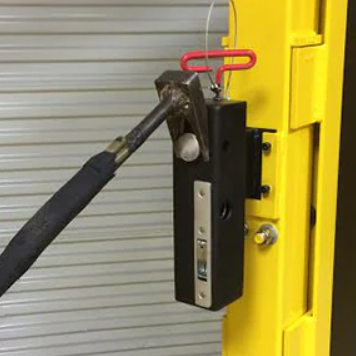
- Through-the-lock operations
- Outward-opening door scenarios
- Inward-opening door scenarios
Firefighters should evaluate how the Halligan performs alongside axes, mauls, and striking tools commonly used by their department.
The best Halligan is not just durable — it also works naturally with the techniques firefighters train on most often.
Real-World Fireground Durability
Halligan bars experience extreme punishment on the fireground.
They are:
- Struck repeatedly
- Exposed to heat
- Used for heavy leverage
- Dragged across concrete
- Exposed to moisture and debris
That is why firefighters should prioritize tools designed specifically for real-world fireground abuse.
At East Coast Rescue Solutions Training Programs, firefighters train using realistic forcible entry scenarios designed to simulate actual emergency conditions. Training with dependable tools helps crews improve both efficiency and safety during high-pressure operations.
Choosing the Right Halligan for Your Department
There is no single “perfect” Halligan bar for every rescue team.
The best Halligan depends on:
- Building construction
- Door types
- Staffing levels
- Response environments
- Training style
- Department preference
Urban truck companies may prioritize aggressive forcible entry performance, while smaller departments may prefer lighter and more versatile Halligans for mixed-use operations.
The key is choosing a tool firefighters can deploy confidently and operate effectively under stress.
Final Thoughts
The Halligan bar remains one of the most important and versatile tools in the fire service. From forcible entry and overhaul work to breaching and rescue operations, firefighters depend on Halligans during some of the most demanding emergency situations imaginable.
When choosing a Halligan bar, firefighters should carefully evaluate features such as material strength, length, fork design, adz shape, weight, grip, and operational versatility.
A high-quality Halligan is more than just a tool — it becomes an extension of the firefighter using it. Choosing the right design helps improve control, efficiency, and safety during critical fireground operations.