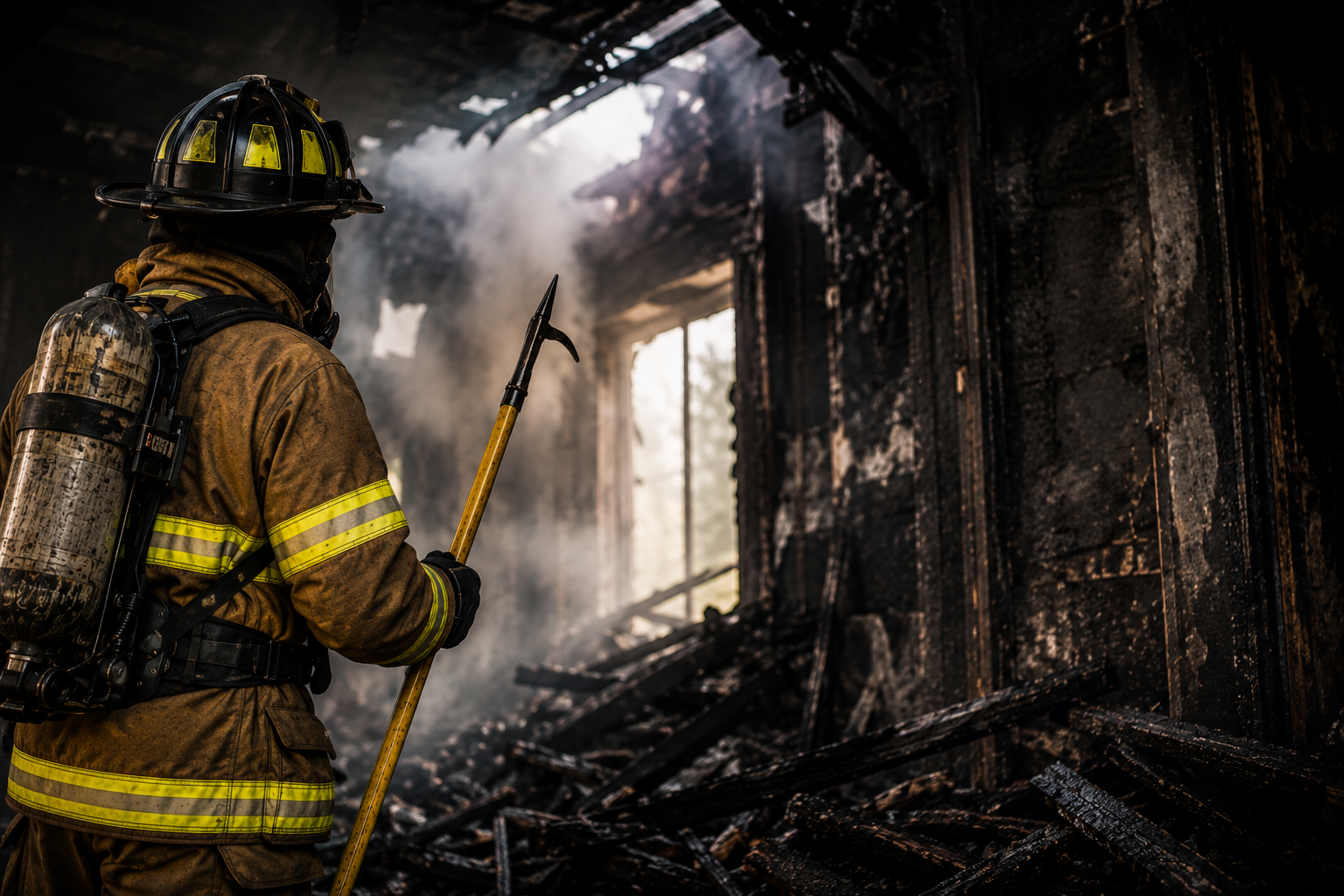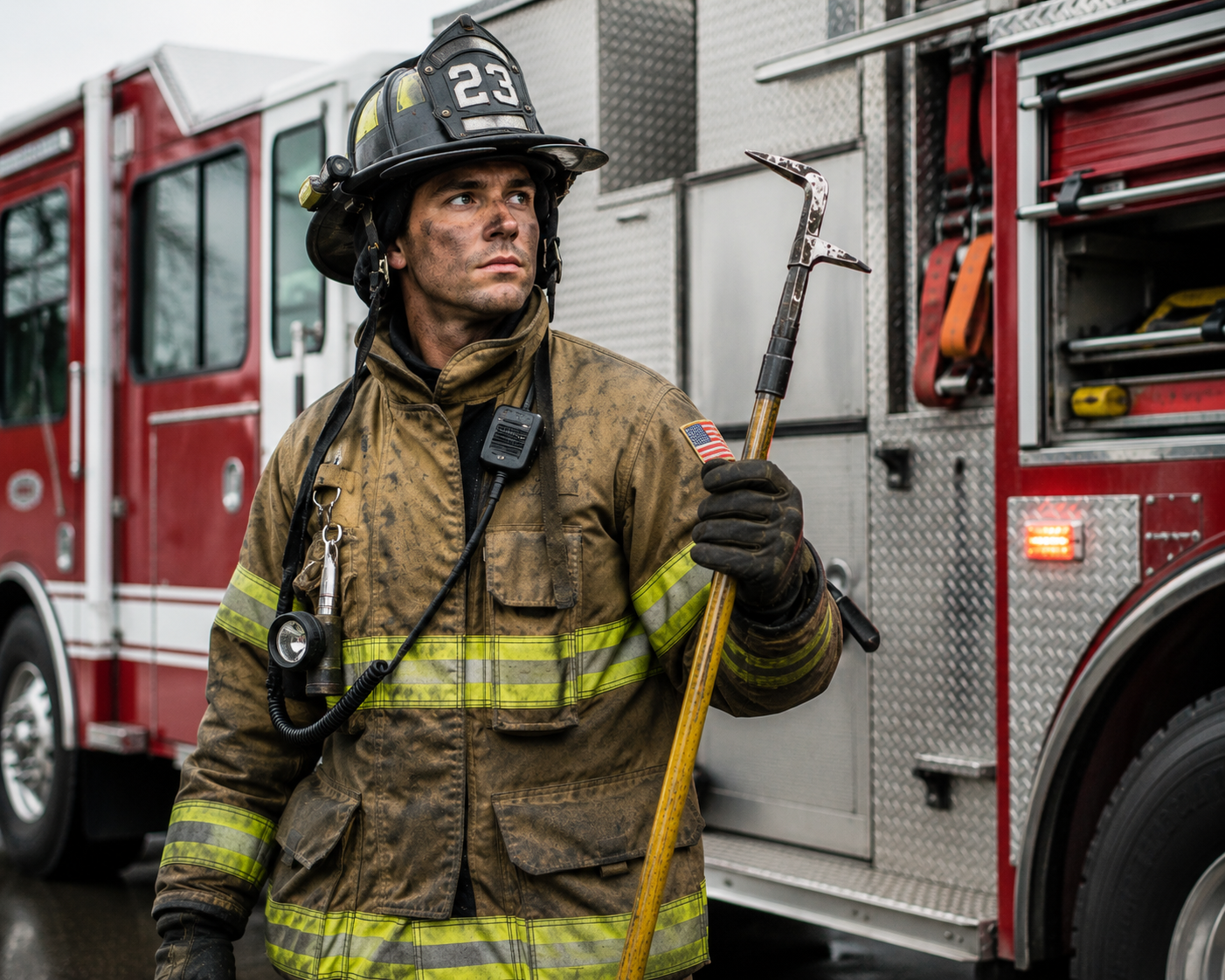
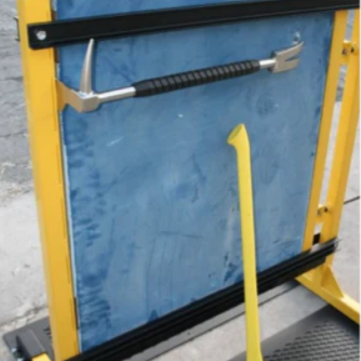






Firefighting hooks are essential fireground tools used for overhaul, ventilation, debris removal, and exposing hidden fire during emergency operations. Different types of hooks are designed for different tasks, including pulling ceilings, opening walls, moving burning debris, and working from safer distances in unstable environments. Choosing the right firefighting hook depends on factors such as building type, operational needs, hook length, material durability, and firefighter safety. Departments should also consider tool quality, training requirements, and regular equipment inspections to ensure dependable performance during emergency response situations.
Why Firefighting Hook Safety Matters
Firefighting hooks may look simple, but they are exposed to some of the toughest conditions on the fireground. During overhaul operations, firefighters often use hooks to pull ceilings, breach walls, move debris, and expose hidden fire. These tools experience constant leverage, impact, heat exposure, moisture, and heavy stress during emergency situations.
If a hook fails during an operation, the results can be dangerous. A loose hook head, cracked shaft, or weakened material can lead to loss of control, falling debris injuries, or firefighters being forced into unsafe positions.
That is why firefighting hooks should never be treated like ordinary hand tools. They are specialized rescue tools designed specifically for hazardous fireground conditions.
At East Coast Rescue Solutions, firefighting equipment is built around the realities of emergency response, where durability, control, and reliability matter during high-pressure operations.
Are There Official Safety Standards for Firefighting Hooks?
One of the most common questions firefighters ask is whether firefighting hooks are covered under specific national safety standards.
The answer is somewhat complex.
Unlike turnout gear, helmets, or SCBA equipment, there is not one single dedicated NFPA certification standard written exclusively for firefighting hooks. However, that does not mean safety standards do not exist.
The National Fire Protection Association establishes many of the operational and equipment guidelines followed throughout the fire service. While hooks themselves may not fall under a standalone certification program, departments still rely on broader fire service equipment standards, manufacturer testing, and operational best practices to evaluate tool safety and performance.
In practical terms, this means departments should focus heavily on:
- Manufacturer quality
- Material durability
- Tool design
- Routine inspection procedures
- Firefighter training
- Real-world performance under fireground conditions
The responsibility often falls on departments to choose tools from trusted fire service manufacturers that are known for producing reliable equipment.
Material Quality Plays a Major Role in Safety
The material used in a firefighting hook directly affects durability, weight, balance, and firefighter safety.
Wood-handled hooks remain popular because many firefighters appreciate their traditional feel and natural grip. However, wood can absorb moisture over time and may crack if not inspected regularly.
Fiberglass-handled hooks have become increasingly common because they resist weather damage and require less maintenance. Many firefighters also prefer fiberglass for its additional electrical resistance properties during operations where hidden wiring may be present.
Steel-handled hooks prioritize maximum strength and durability. While they are extremely rugged, they are also heavier, which can increase firefighter fatigue during long incidents.
Regardless of the material, firefighters should regularly inspect hooks for:
- Cracks or splintering
- Loose heads
- Corrosion
- Shaft warping
- Damaged grips
- Excessive wear
Routine inspection is one of the most important fireground safety practices departments can follow.
Hook Design Matters More Than Many People Realize
A firefighting hook is more than just a metal head attached to a pole. The overall design affects leverage, control, maneuverability, and firefighter fatigue.
A poorly balanced hook can make overhaul work more difficult and tiring. Weak weld points or low-quality materials can become failure points during aggressive pulling operations.
Professional-grade firefighting hooks are designed to withstand:
- Heavy pulling force
- High heat exposure
- Repeated impact
- Wet environments
- Debris contact
- Long-duration use
Departments should avoid purchasing generic industrial tools that are not specifically designed for fire service operations. Fireground conditions place unique demands on equipment, and firefighting hooks need to be built for those environments.
Proper Training Is Part of Tool Safety
Even the highest-quality firefighting hook can become dangerous if firefighters are not properly trained to use it.
One of the most common mistakes firefighters make during overhaul is standing directly beneath weakened ceilings or unstable materials while pulling overhead. Proper positioning and leverage techniques are critical for reducing injury risks.
Training should focus on:
- Safe pulling techniques
- Proper body positioning
- Ceiling and wall opening procedures
- Hazard awareness
- Tool control under stress
- Working safely around collapse risks
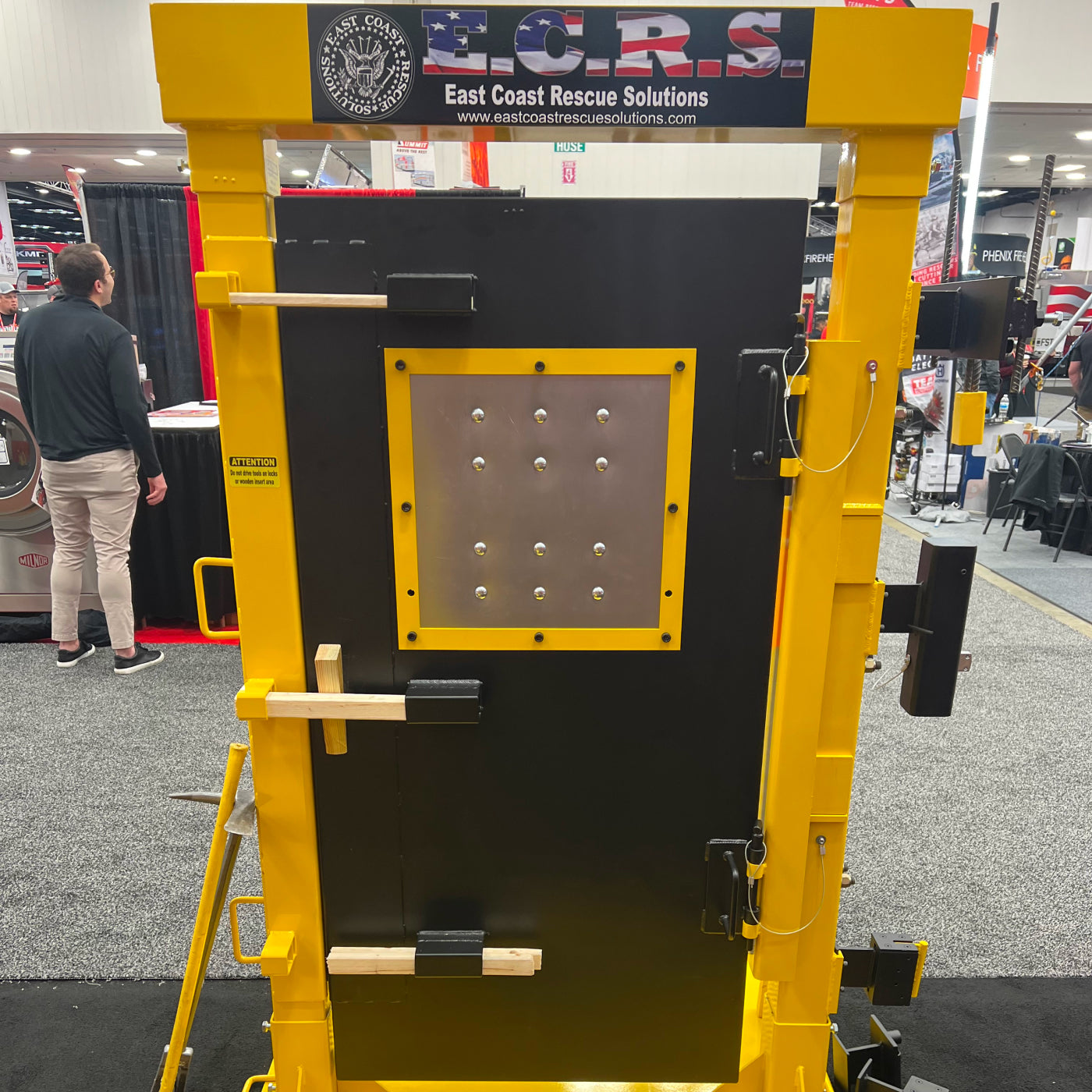
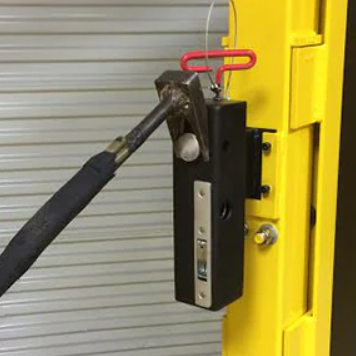
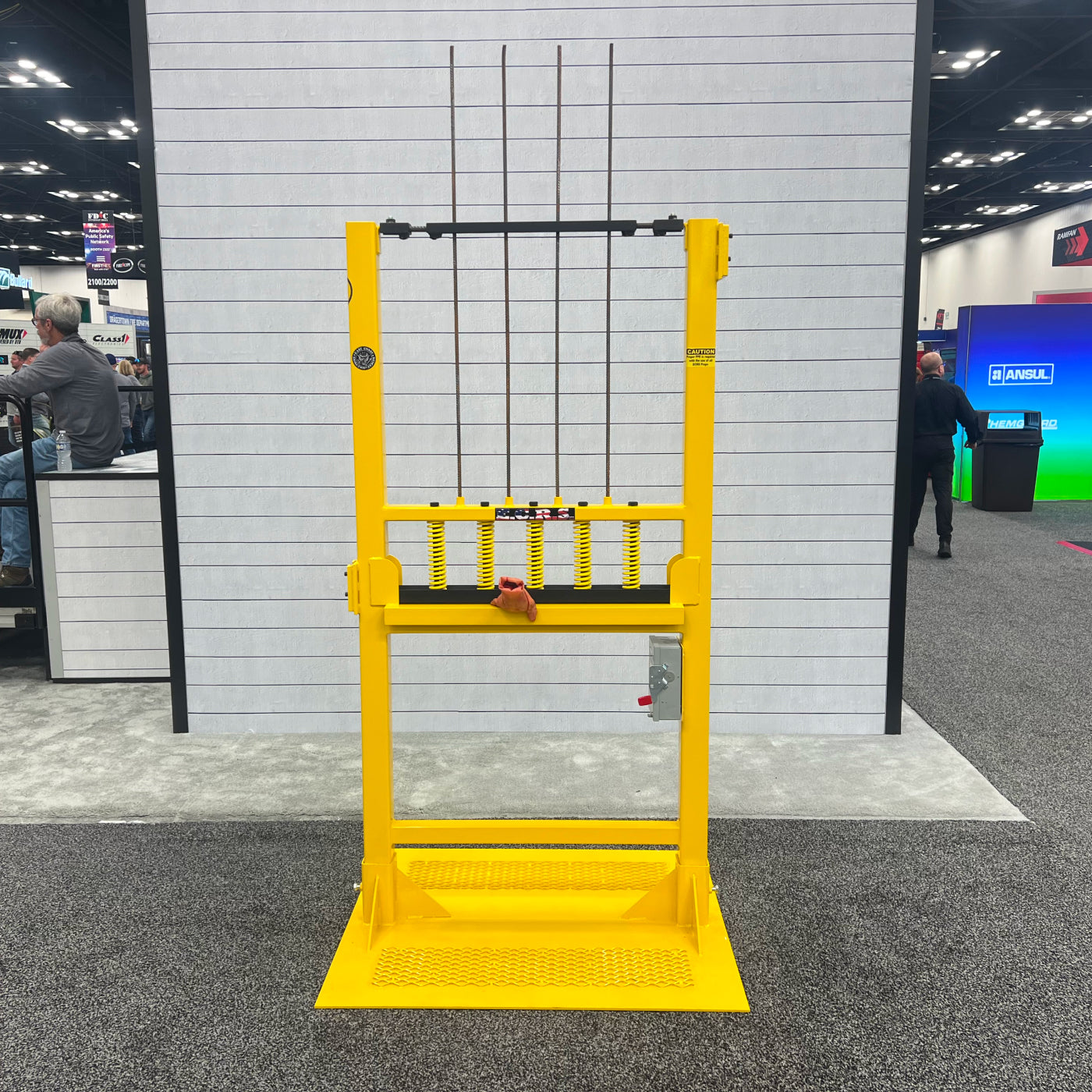
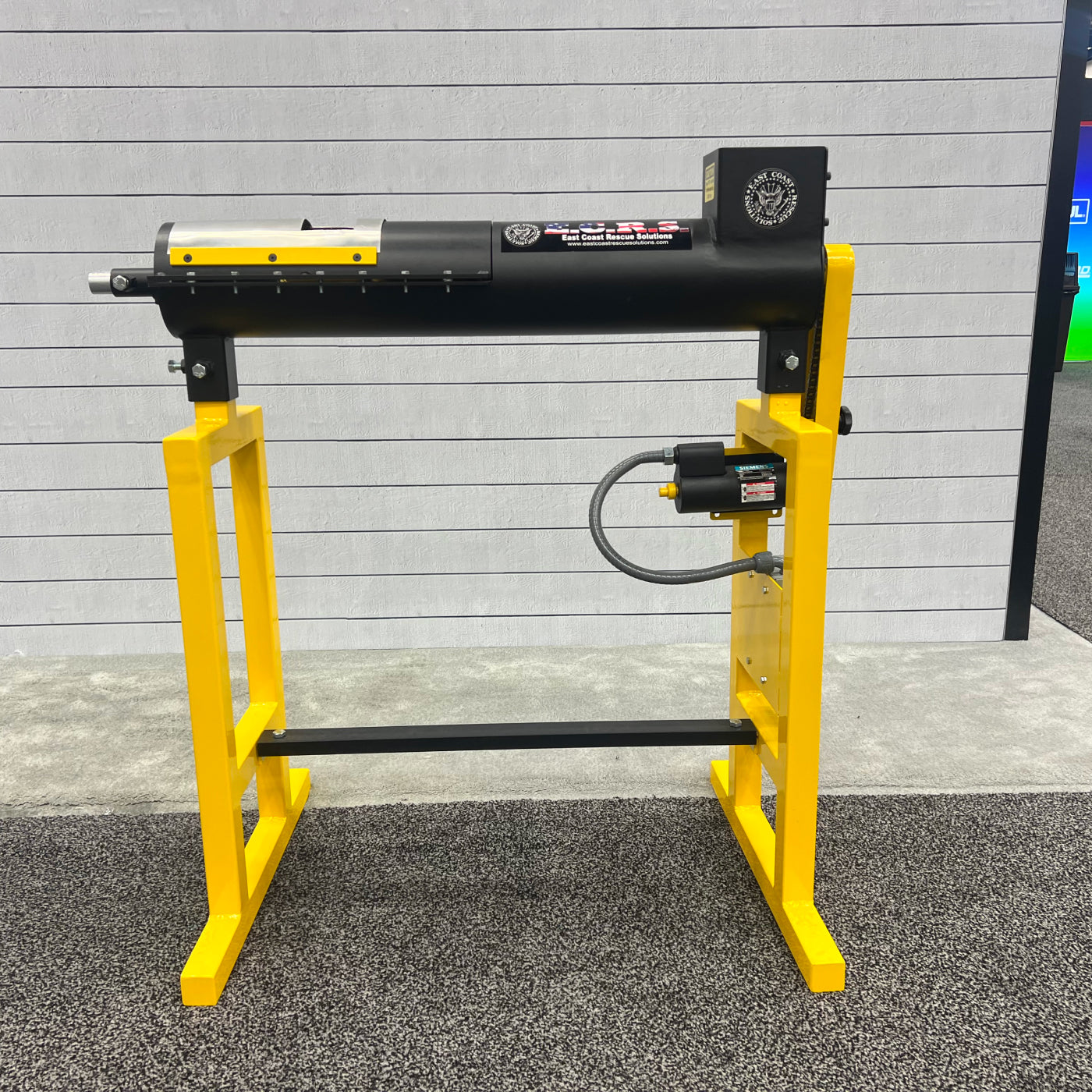
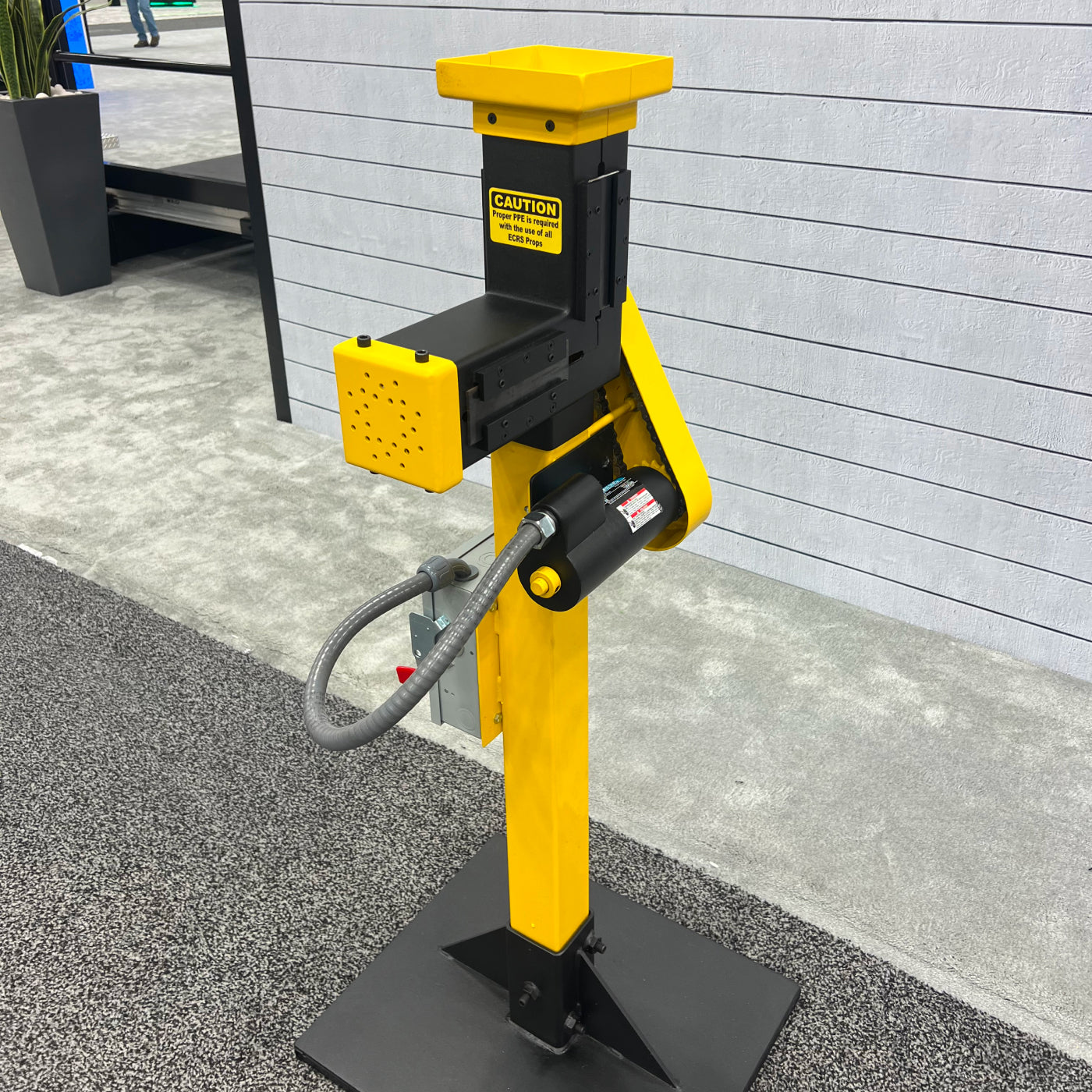
At East Coast Rescue Solutions Training Programs, firefighters train in realistic environments that simulate real-world emergency situations. Hands-on training helps crews understand how tools behave under pressure while improving operational safety and efficiency.
Electrical Safety Considerations
Firefighters often encounter hidden electrical hazards during overhaul operations. Pulling ceilings and opening walls can expose energized wiring, damaged electrical systems, and compromised utilities.
Because of this, departments should carefully evaluate the electrical characteristics of their firefighting hooks.
Fiberglass-handled hooks are commonly selected when departments want additional resistance to electrical conductivity. However, firefighters should never assume any tool makes them immune to electrical hazards.
Scene awareness, utility control, and safe operating procedures remain essential during all emergency operations involving potential electrical exposure.
Why Reputable Manufacturers Matter
Since firefighting hooks are not governed by one universal standalone certification, the reputation of the manufacturer becomes extremely important.
Departments should evaluate:
- Material quality
- Weld strength
- Fire service experience
- Product durability
- Long-term reliability
- Firefighter feedback
- Real-world testing
Cheap tools may initially save money, but low-quality equipment often wears out faster or fails under stress. On the fireground, dependable performance matters far more than short-term cost savings.
Professional-grade firefighting hooks are designed to withstand years of aggressive emergency operations without compromising firefighter safety.
Maintenance Is a Critical Safety Standard
Even the best firefighting hooks require regular maintenance and inspection.
Departments should establish routines for:
- Cleaning hooks after incidents
- Inspecting shafts and heads
- Monitoring corrosion
- Replacing damaged grips
- Removing compromised tools from service
- Checking for long-term structural wear
Hooks are exposed to smoke, water, debris, heat, and impact during nearly every use. Without proper maintenance, even durable tools can deteriorate over time.
Routine equipment checks help identify problems before they become fireground hazards.
Final Thoughts
While there may not be one dedicated NFPA certification written specifically for firefighting hooks, there are still important safety expectations departments should follow when selecting and using these tools.
A safe and dependable firefighting hook depends on several factors working together:
- Quality manufacturing
- Durable materials
- Proper design
- Regular inspections
- Realistic firefighter training
- Correct operational use
Firefighting hooks remain some of the most important tools carried onto the fireground. When firefighters are operating in smoke, heat, debris, and unstable conditions, they need equipment they can trust completely.
Choosing high-quality tools and training with them regularly helps improve both firefighter safety and operational effectiveness during emergency response situations.