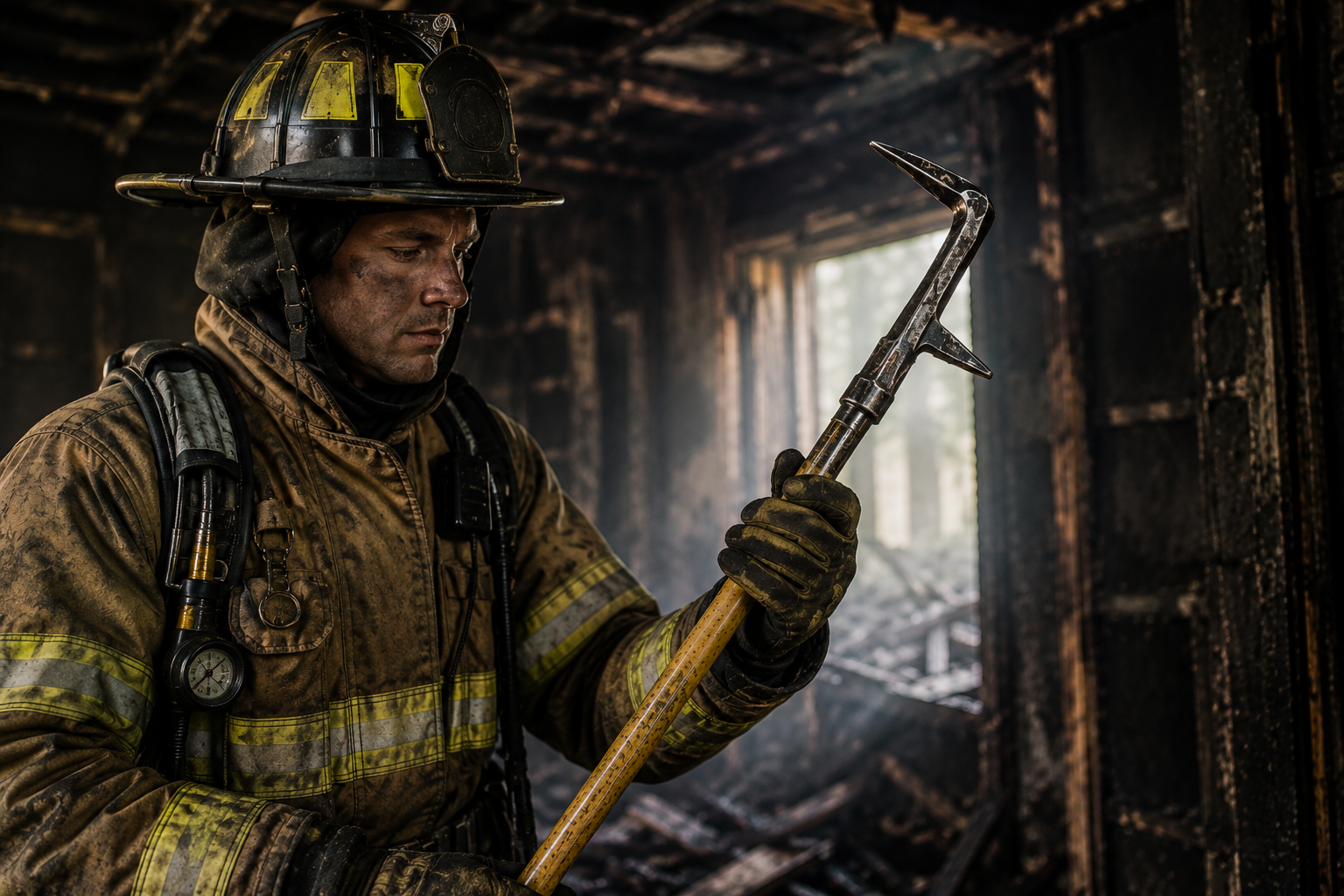




When firefighters arrive on scene, every tool carried onto the fireground needs to serve a purpose. Rescue hooks may not always get the same attention as hydraulic rescue tools or thermal imaging cameras, but experienced firefighters know just how important they are during real-world emergency operations.
A properly selected rescue hook can help you pull ceilings during overhaul, check for hidden fire extension, move burning debris, ventilate structures, and work from a safer distance in unstable environments. The right hook improves both efficiency and firefighter safety, especially during fast-moving interior operations where reach and leverage matter.
At East Coast Rescue Solutions, rescue hooks are treated as critical fireground tools that should match the realities of modern firefighting. Different emergency situations require different hook styles, lengths, and designs, and understanding those differences can help your department make smarter purchasing decisions.
Why Rescue Hooks Are So Important
One of the biggest advantages of a rescue hook is that it allows firefighters to work farther away from heat, debris, and collapse hazards. During overhaul operations, a hook gives you the ability to expose hidden fire without placing yourself directly underneath compromised materials. During ventilation or debris removal, it provides additional reach and leverage that would otherwise require firefighters to get dangerously close.
Many firefighters also underestimate how much time a good hook can save during emergency operations. When crews can quickly pull ceilings, expose void spaces, or move debris efficiently, the entire operation becomes smoother and safer.
Modern firefighting hooks are also far more specialized than many people realize. Some are built specifically for aggressive overhaul work, while others focus on versatility or maneuverability inside confined spaces.
Start by Looking at Your Department’s Needs
Before choosing a rescue hook, your department should evaluate the type of incidents you respond to most often. A busy urban truck company operating in older commercial buildings may need aggressive roof hooks capable of pulling heavy plaster and lathe. A suburban department responding primarily to residential fires may benefit more from lighter, more versatile hooks that are easier to maneuver indoors.
This is where many departments make mistakes. They try to find one hook that can handle every possible emergency situation. In reality, different operations often require different tools.
Departments should think about:
-
The types of structures in their district
-
How often they perform overhaul operations
-
Whether they operate primarily in residential or commercial environments
-
Storage limitations on apparatus
-
The size and staffing levels of their crews
The goal is not simply to buy the strongest hook available. The goal is to choose a tool firefighters can deploy quickly and use effectively under stress.
Understanding Different Types of Rescue Hooks
Roof hooks remain some of the most widely used tools in the fire service. These hooks are designed for aggressive pulling operations and work extremely well for ceiling removal, wall opening, and vertical overhaul. Their design typically includes a sharp pike end and a strong shaft that allows firefighters to apply significant leverage.
Longer roof hooks are especially useful in commercial structures with higher ceilings because they increase reach and create more distance between firefighters and potential hazards. However, the same hooks that work well in open commercial spaces may become awkward inside narrow residential hallways or apartment stairwells.
Trash hooks serve a different purpose entirely. These hooks are excellent for moving debris, separating burning materials, and handling overhaul during exterior or debris-heavy incidents. Departments that frequently deal with dumpster fires, collapse situations, or exterior overhaul work often rely heavily on trash hooks because of how efficiently they move material.
There are also multi-purpose hooks designed to handle several tasks at once. These tools may include utility shutoff features, prying edges, or additional pulling surfaces that make them valuable during fast-moving emergency situations. For departments operating with smaller crews, multi-purpose hooks can reduce the need to carry multiple tools into a structure.
Choosing the Right Length
Length is one of the most important factors when selecting a rescue hook.
Shorter hooks are easier to control and work well in confined spaces. They are often preferred for residential interiors where maneuverability matters more than maximum reach. Firefighters working in tight stairwells or crowded hallways usually find shorter hooks easier to manage during aggressive interior operations.
Medium-length hooks are often considered the most versatile. They provide enough reach for general overhaul while still remaining manageable indoors. Many departments choose this size range because it performs well across a wide variety of incidents.
Longer hooks provide maximum reach and better stand-off distance from hazards, making them ideal for commercial buildings, roof operations, and large-area overhaul work. The tradeoff is that they can become difficult to maneuver in smaller structures.
The best choice depends heavily on your district and the types of emergencies your firefighters face most often.
Material Matters More Than You Think
The material used in the hook shaft affects weight, balance, durability, and firefighter fatigue.
Traditional wood-handled hooks are still popular because many firefighters prefer their natural feel and balance. Wood also provides a classic grip that many experienced firefighters trust during overhaul operations.
Fiberglass hooks have become increasingly common because they resist weather damage and require less maintenance. Many departments appreciate their durability and reliability over time.
Steel hooks prioritize strength and durability above everything else, but the additional weight can become tiring during long incidents. Some firefighters prefer the solid feel of steel, while others prioritize lighter tools that reduce fatigue.
There is no universal answer when it comes to materials. The best option is often the one your crews feel most comfortable using during realistic training scenarios.
Training Is Just as Important as the Tool
A rescue hook is only effective if firefighters know how to use it properly.
Proper pulling techniques, body positioning, leverage control, and situational awareness all play major roles in safe and effective operations. Firefighters who train regularly with their hooks are far more efficient during actual emergencies.
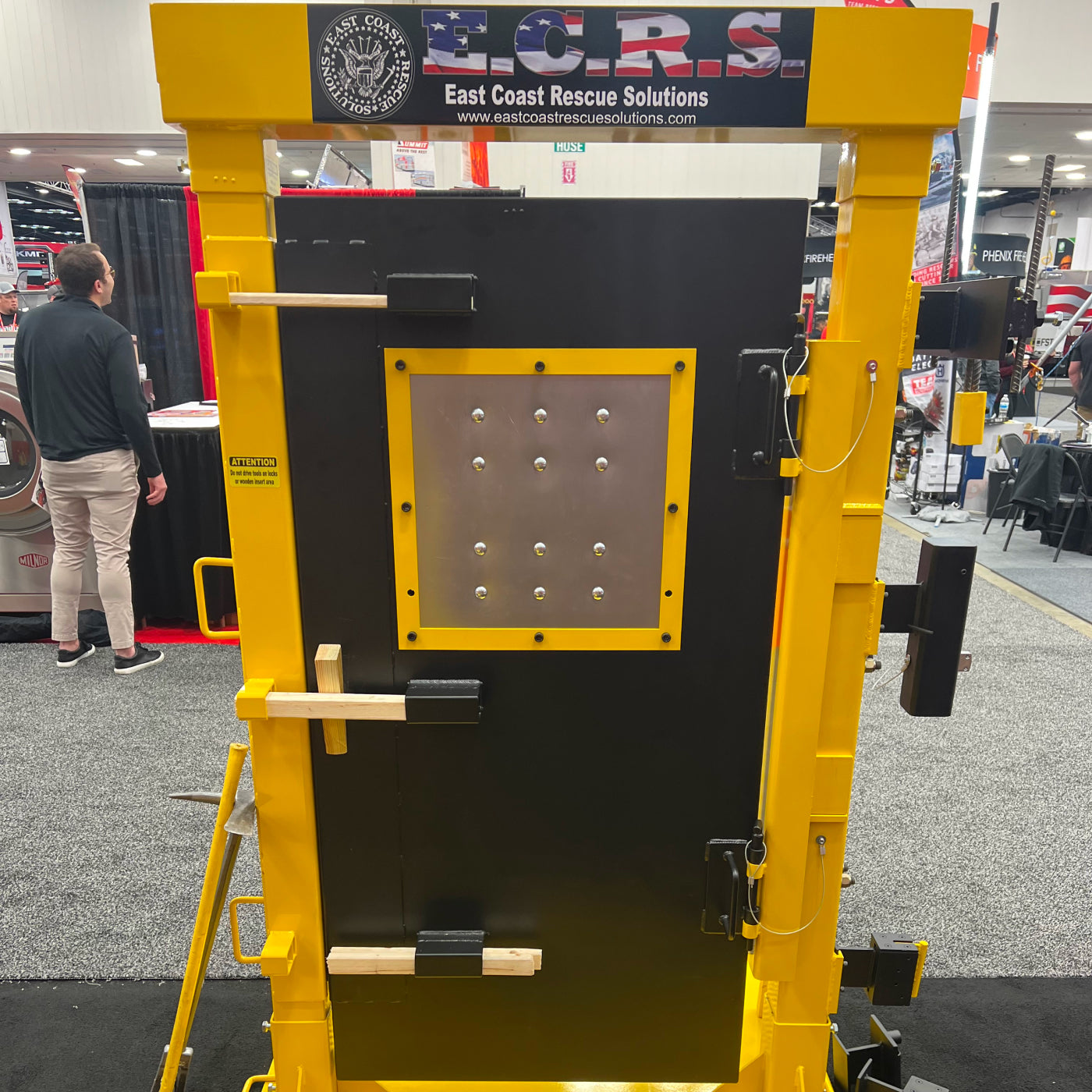
At East Coast Rescue Solutions Training Programs, firefighters train in realistic environments designed to improve operational readiness under real-world conditions. Hands-on training allows crews to understand how different hooks perform in different situations, which ultimately helps departments make better equipment decisions.
Final Thoughts
Choosing the right rescue hook is about more than simply buying another fireground tool. It is about improving firefighter safety, increasing operational efficiency, and preparing crews for the realities of emergency response.
The right hook should match the types of structures your department protects, the emergencies your crews respond to most often, and the way your firefighters actually operate on scene.
When visibility drops, conditions worsen, and crews need reliable equipment under pressure, a properly selected rescue hook can become one of the most valuable tools on the apparatus.