






When you pick up a tool, you probably don’t think much about the handle. But over time, you start to notice the difference.
Some tools feel easier to control. Some leave your hands and arms more fatigued. Others just feel “right” the moment you use them.
A lot of that comes down to the handle material.
Why This Decision Matters More Than You Think
On the fireground, your tools need to work with you—not against you. The handle is the connection point between you and the tool, and it directly affects how force is transferred, how much vibration you feel, and how much control you have.
If the handle isn’t right for you, everything becomes harder. Your swings feel less controlled, your grip feels less secure, and fatigue sets in faster.
The Feel of Wood Handles
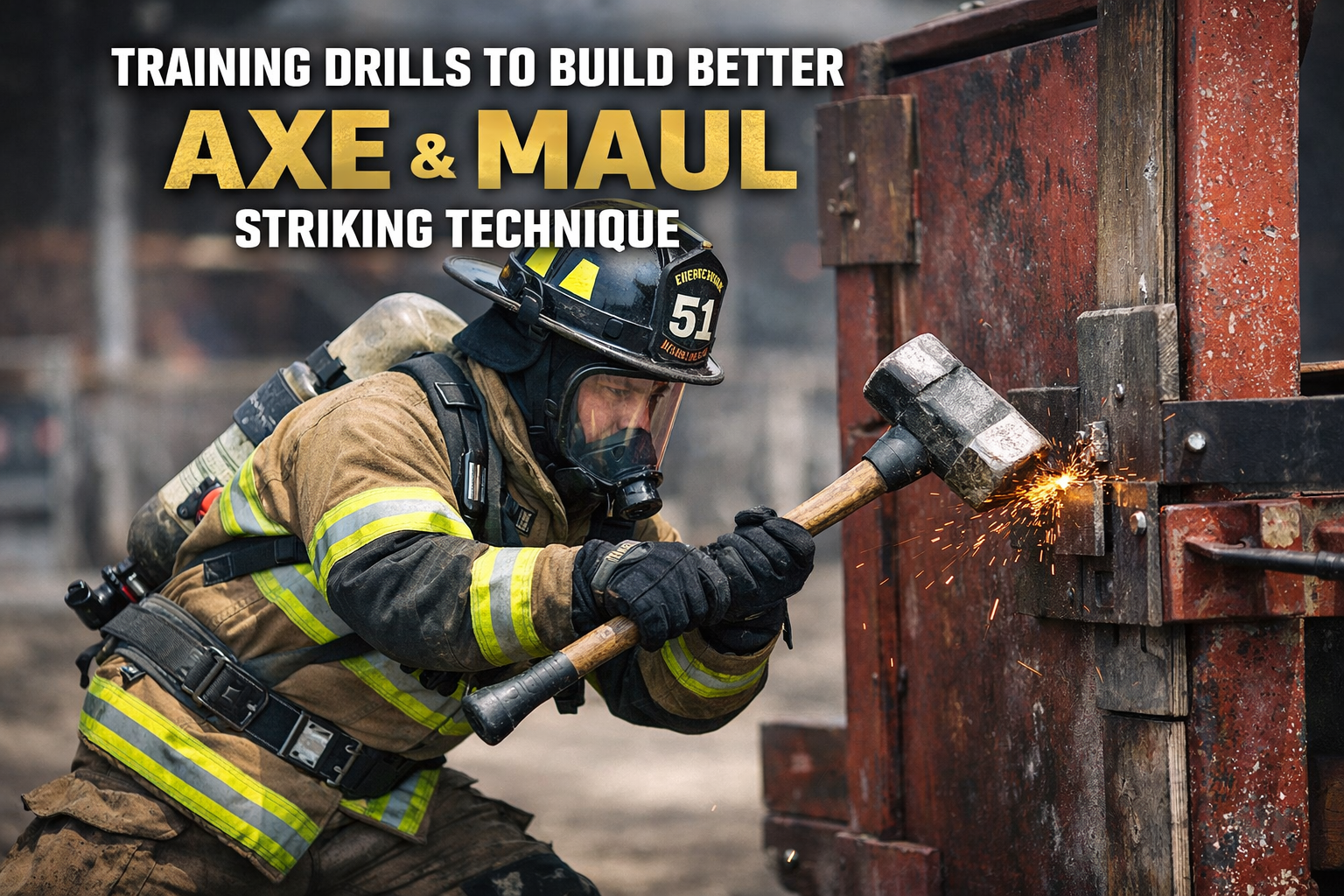
When you use a wood handle, the first thing you’ll notice is how natural it feels. There’s a slight give to it that helps absorb shock, especially during repeated strikes.
This makes a difference over time. Your hands and arms take less of a beating, which can help you stay effective longer during extended operations.
But wood comes with trade-offs. It requires more attention and care. Exposure to moisture, temperature changes, and general wear can weaken it if you’re not paying attention.
Still, for many firefighters, the feel and control of wood make it worth it.
How Fiberglass Changes the Experience
Fiberglass handles tend to feel more consistent. They’re built to handle tough conditions and don’t require the same level of maintenance as wood.
When you’re operating in wet or unpredictable environments, that durability becomes a major advantage. You don’t have to worry as much about the handle degrading over time.
That said, fiberglass doesn’t absorb shock quite as well as wood. You may feel more vibration, especially during heavy use. It’s not overwhelming, but it’s noticeable.
For many firefighters, fiberglass ends up being a practical, balanced choice.
What You Notice With Metal Handles
Metal handles are built for durability. They can take a beating and keep going with minimal maintenance.
But the trade-off becomes clear the moment you start using them for repeated strikes. There’s very little shock absorption, which means more vibration travels directly into your hands and arms.
Over time, that can lead to increased fatigue and discomfort. You may not notice it right away, but during longer operations, it adds up.
Choosing What Works for You
There isn’t a universal “best” option. The right handle depends on how you operate and what you value most.
If you prioritize comfort and control, you may prefer wood. If you want something durable with less maintenance, fiberglass might be the better fit. And if your focus is maximum toughness, metal could make sense.
The key is understanding how each material affects your performance—not just in theory, but in practice.
What You Should Pay Attention To
When you’re using a tool, pay attention to how it feels over time. Notice how your hands respond after repeated use. Pay attention to your grip, your control, and your level of fatigue.
Those small details will tell you more than any spec sheet ever could.
Final Thoughts
The handle you choose plays a bigger role than most people realize. It affects how you work, how you feel, and how effective you are over time.
If you take the time to understand the differences, you’ll be able to choose a tool that actually works with you—and that can make all the difference when it counts.