






Forcible entry is a fundamental firefighting skill, but it is also a perishable one. Knowing the principles of forcing a door is different from being able to perform them efficiently while wearing full PPE, working with a partner, operating in limited visibility, and facing an unfamiliar door under pressure.
So, how often should fire departments conduct forcible entry training?
There is no single training frequency that is appropriate for every department. Training schedules depend on call volume, staffing, experience, department policies, available training facilities, and the types of buildings firefighters protect. However, forcible entry should generally be treated as a recurring hands-on skill rather than an annual topic that firefighters practice once and then put away until the following year.
For many departments, incorporating some form of forcible entry practice several times throughout the year—and supplementing larger training sessions with shorter skill drills—can help firefighters maintain proficiency without requiring every evolution to become a major training event.
The more important question isn't simply how many times a department trains. It is whether firefighters are receiving enough meaningful repetitions to maintain the skills they may need when gaining access quickly matters most.
Why Forcible Entry Requires Repeated Training
Forcible entry combines several different abilities.
Firefighters must recognize door construction and orientation, understand locking mechanisms, choose appropriate tools, establish effective tool placement, generate leverage, coordinate with another firefighter, and maintain situational awareness.
Many of these actions depend on muscle memory.
A firefighter may be able to explain the gap-set-force sequence perfectly in a classroom but still struggle to position a Halligan effectively after going months without performing the technique.
Hands-on repetition helps bridge that gap.
Repeated training allows firefighters to become more comfortable with the weight and positioning of their tools, recognize how different doors respond to force, and coordinate their movements with another firefighter.
It also gives instructors opportunities to identify small technical problems before they become ingrained habits.
Should Fire Departments Train on Forcible Entry Every Month?
Monthly training can be extremely useful, but that doesn't necessarily mean a department needs to dedicate an entire training day to forcible entry every month.
One effective approach is to distinguish between major training evolutions and short skill-maintenance drills.
A larger forcible entry training session might involve several hours of instruction covering different door configurations, tools, scenarios, and techniques.
A monthly maintenance drill might take considerably less time.
For example, a company could spend a short training period practicing Halligan positioning, striking communication, gap-set-force techniques, or inward- versus outward-opening door size-up.
This type of frequent, focused practice can help keep fundamentals fresh between more comprehensive training sessions.
The important point is consistency.
Performing five or ten meaningful repetitions periodically throughout the year may provide greater skill retention than performing many repetitions during a single annual training day and then not touching a forcible entry prop again for 12 months.
Training Frequency Should Reflect Call Volume
Call volume can also influence how frequently a department should practice.
Firefighters working in departments that regularly perform forcible entry may receive some degree of operational reinforcement simply through experience.
Firefighters in departments where forcible entry is rarely required don't have that advantage.
Ironically, departments with fewer forcible entry incidents may therefore have an even greater reason to prioritize hands-on training.
If a firefighter hasn't forced a door during an actual incident in several years and hasn't practiced the skill recently either, the first time that firefighter needs to execute the technique under pressure is not the ideal time to rediscover proper Halligan placement.
Training can help compensate for limited operational exposure.
New Firefighters Need More Repetitions
Training frequency also shouldn't necessarily be identical for every firefighter.
Newer firefighters generally need more repetitions than experienced firefighters who have performed forcible entry techniques hundreds of times.
Early training should focus heavily on fundamentals.
Firefighters need to understand how to size up a door before attempting to force it. They should learn how door orientation affects tool placement, how the Halligan interacts with the door and frame, and how the striking firefighter communicates with the firefighter controlling the tool.
Once those fundamentals are understood, repetition becomes critical.
The goal is to reach the point where basic tool manipulation no longer requires excessive thought.
That frees the firefighter to concentrate on the larger problem—what the door is doing, what conditions are changing, what the crew is trying to accomplish, and what needs to happen after entry is gained.
Experienced Firefighters Still Need Skill Maintenance
Experience does not eliminate the need for training.
An experienced firefighter may understand forcible entry extremely well but still lose some speed, coordination, or familiarity if the skill hasn't been practiced recently.
Training for experienced crews can also move beyond basic mechanics.
Instead of repeatedly performing identical door forces, instructors can introduce more complicated scenarios.
Firefighters might encounter increased resistance, unusual door configurations, reduced visibility, different tool combinations, or situations where their initial approach doesn't work as expected.
This shifts training from simply practicing a physical movement to solving a forcible entry problem.
Use a Forcible Entry Training Door for Regular Repetitions
One challenge departments face is finding a practical way to conduct frequent hands-on training.
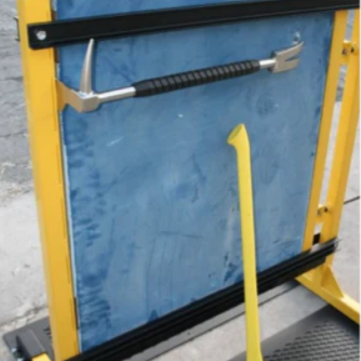
Using actual doors can provide valuable experience, but conventional doors and frames are usually damaged during forcible entry evolutions. Replacing doors, frames, locks, and other materials after repeated training can become expensive and time-consuming.
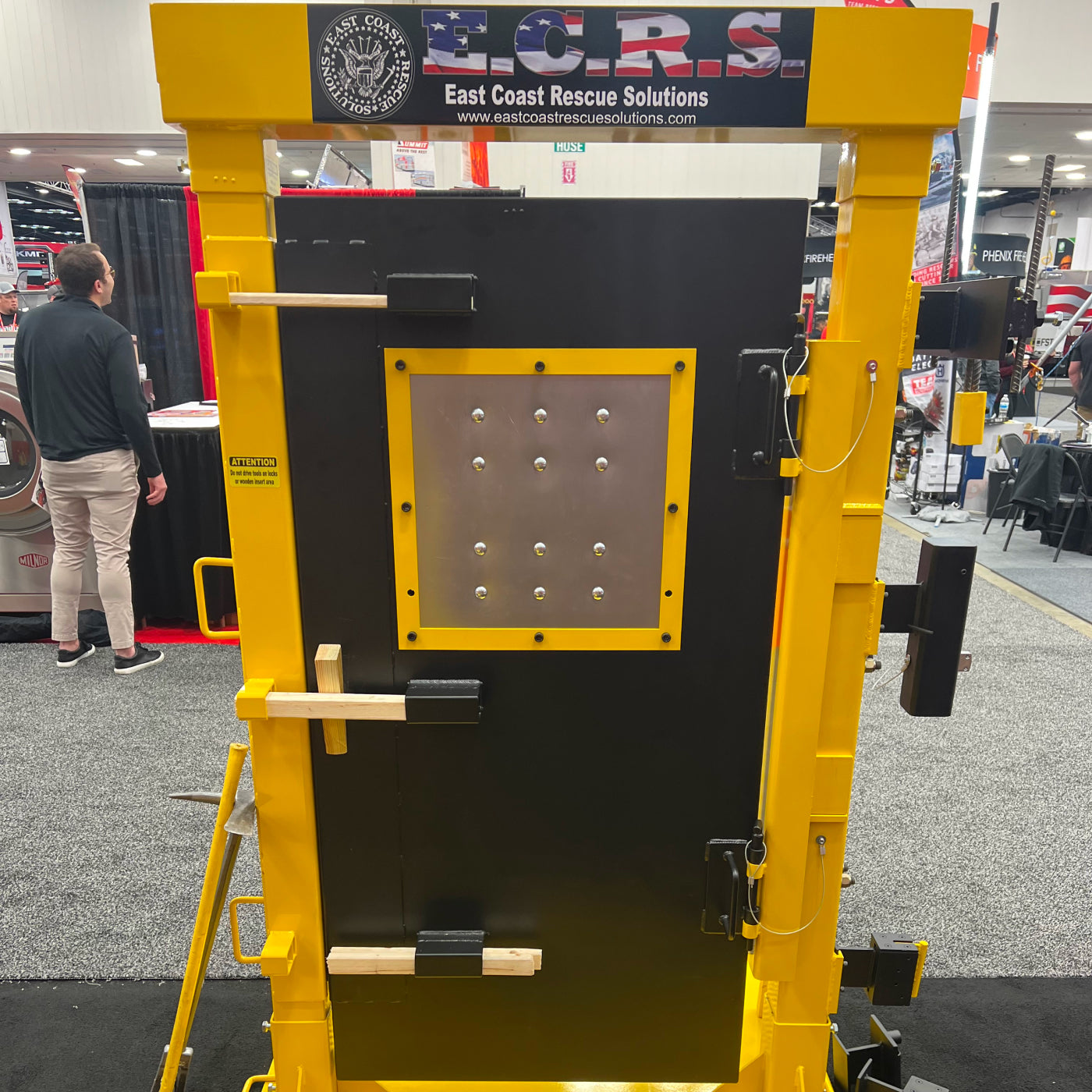
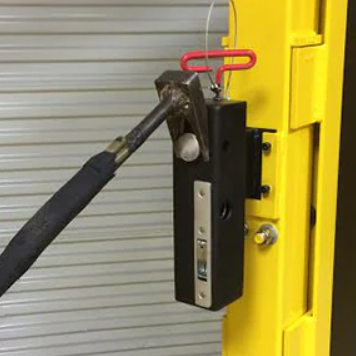
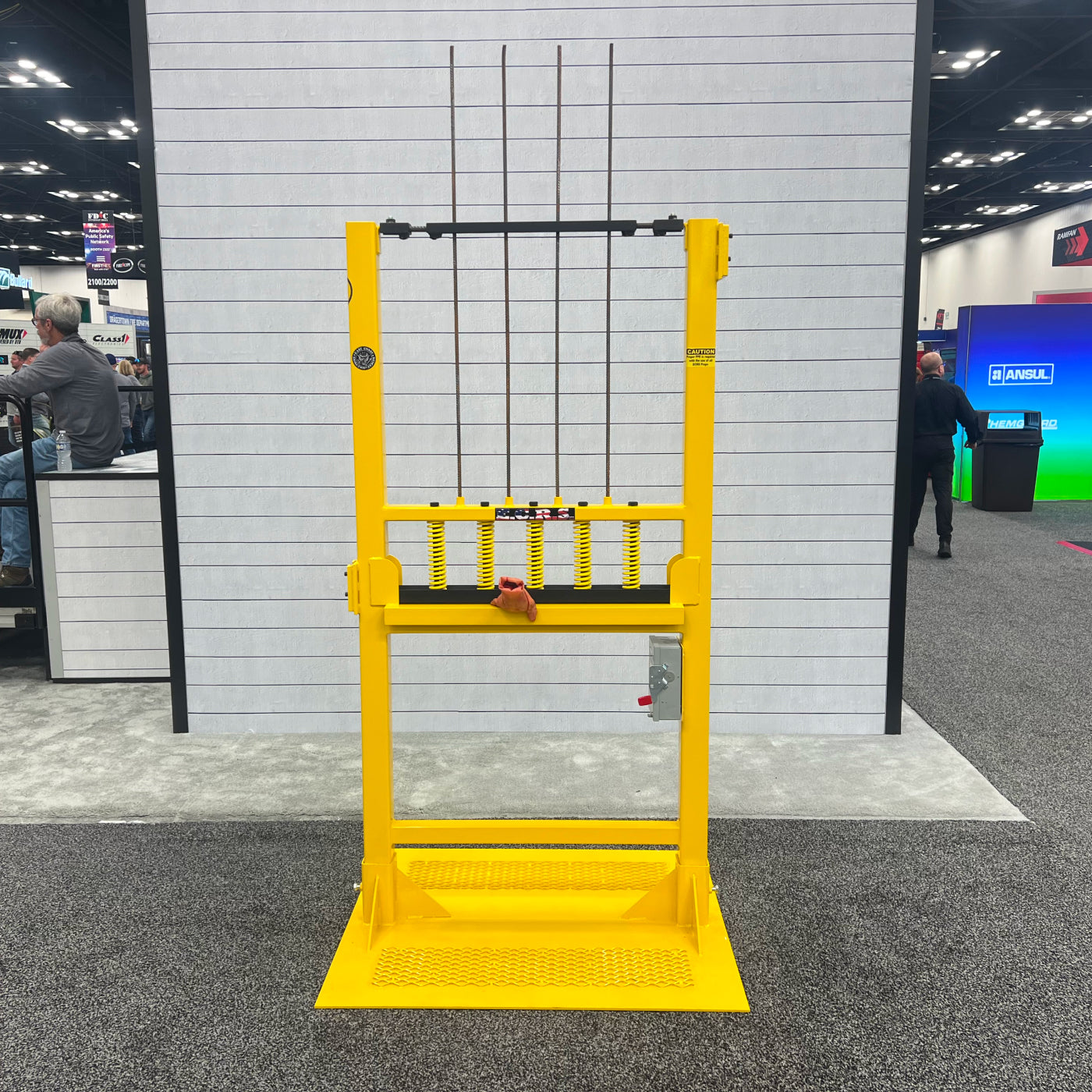
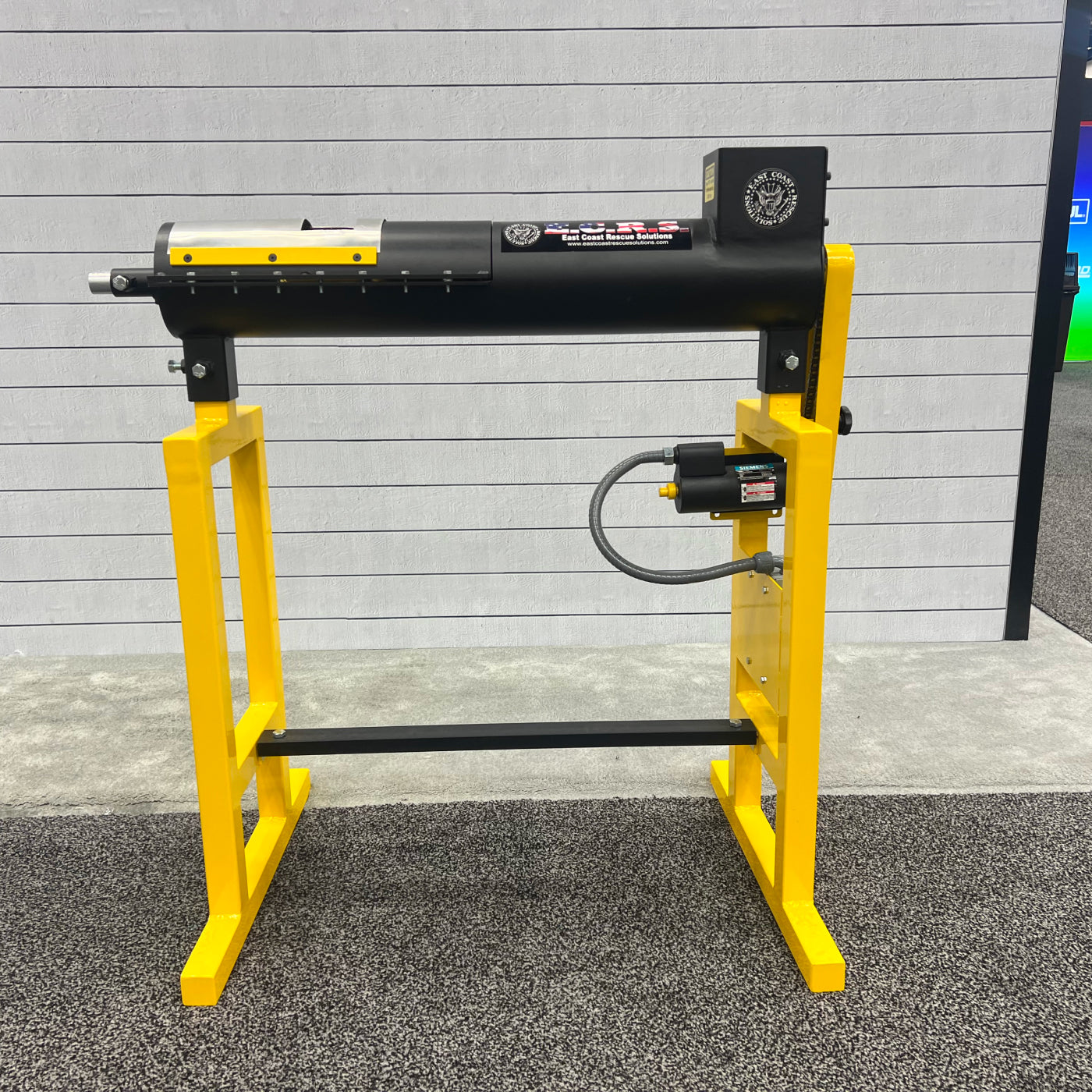
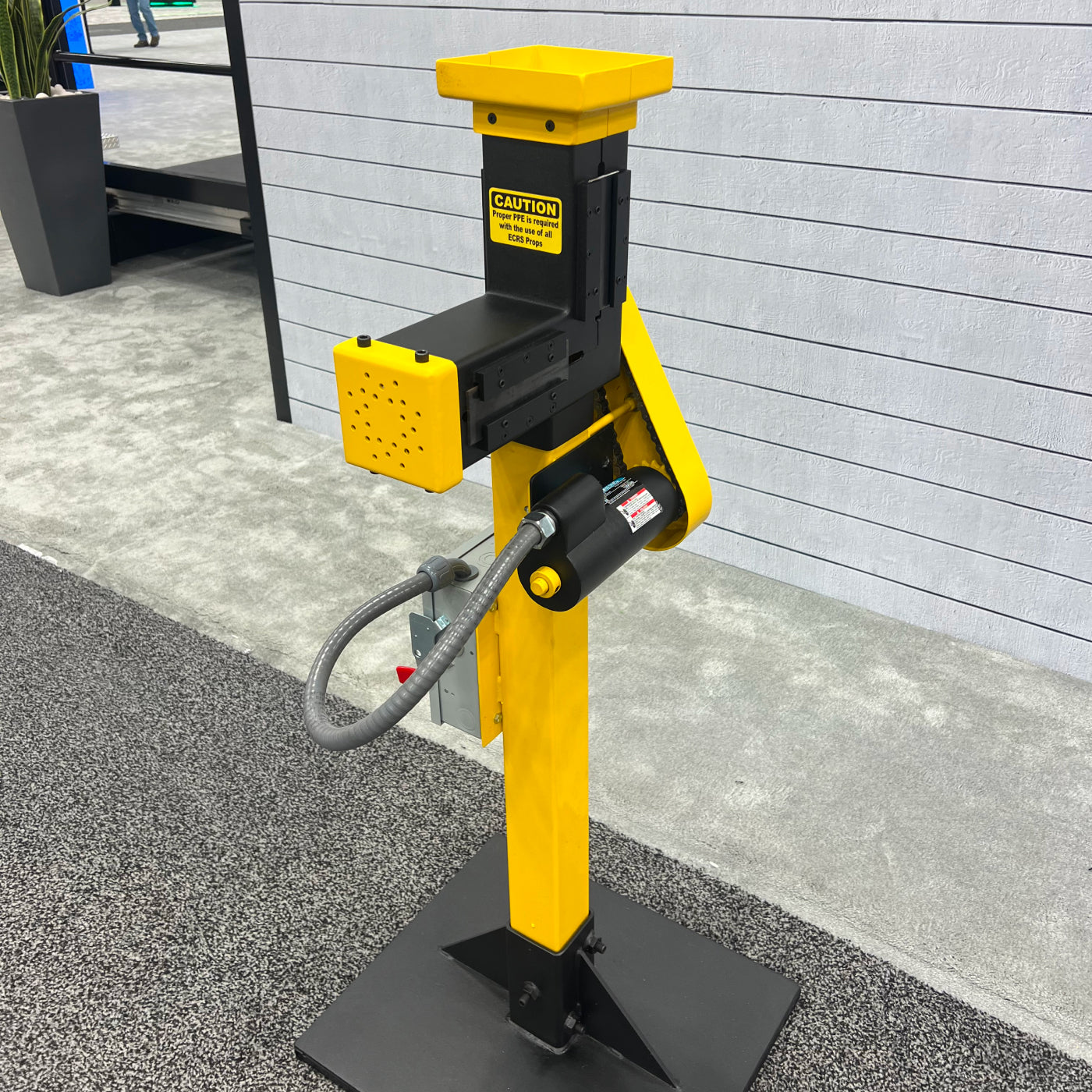
This is where a reusable forcible entry training door can become particularly useful.
A purpose-built training prop allows departments to perform repeated evolutions without needing to build an entirely new training setup each time.
That makes it easier to conduct smaller drills more frequently.
Instead of waiting until the department can organize a large annual forcible entry exercise, a company may be able to incorporate short training sessions into its normal schedule.
The value of a training prop isn't simply that firefighters can force it. The real value is that they can reset the evolution and force it again.
Don't Repeat the Exact Same Drill Every Time
Frequency alone doesn't guarantee effective training.
If firefighters practice the exact same evolution every month, they may become exceptionally good at defeating the training prop without necessarily becoming better at forcible entry.
They learn where to stand.
They learn where the Halligan fits.
They know how much resistance to expect.
Eventually, they may be responding to the prop rather than evaluating the door.
Training should therefore include variation.
One session might concentrate on inward-opening doors.
Another could emphasize outward-opening doors.
Another could focus almost entirely on tool positioning and communication.
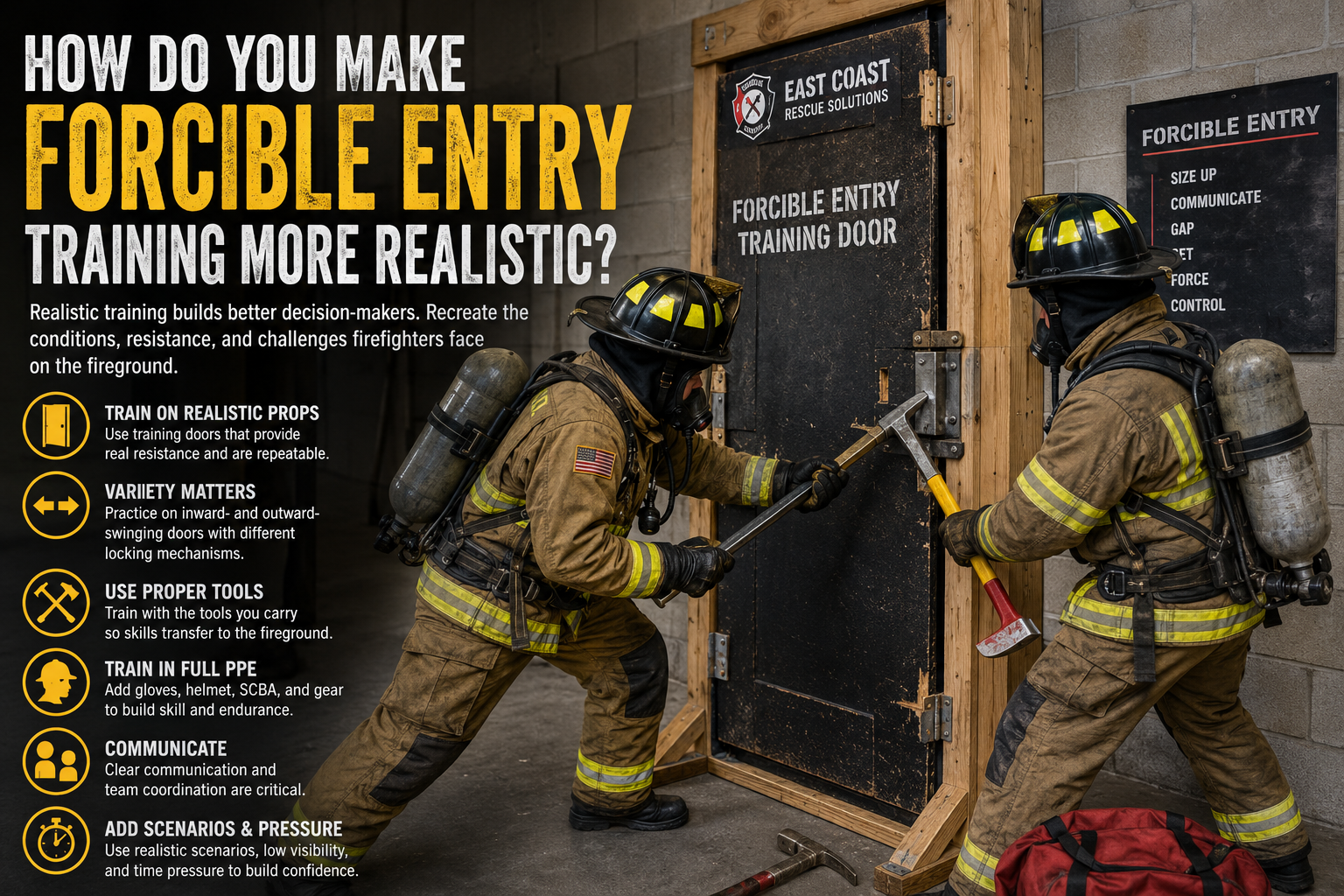
Another might incorporate full PPE and SCBA.
Another could introduce limited visibility or scenario-based decision-making.
The underlying forcible entry principles remain the same, but changing the training environment requires firefighters to continue thinking.
Build Forcible Entry Into a Larger Training Cycle
Departments don't necessarily need to view forcible entry as a standalone training category.
It can be incorporated into larger fireground evolutions.
Consider a company performing a search drill.
Instead of beginning the exercise with an already-open door, require the crew to gain access first.
A hose advancement evolution can begin with a locked entry point.
A commercial building scenario can require firefighters to evaluate several possible entry points and determine which forcible entry method is appropriate.
This approach accomplishes two things.
First, it creates additional forcible entry repetitions without requiring a separate training day.
Second, it places forcible entry in context.
During an actual incident, forcing the door isn't usually the ultimate objective. Firefighters are forcing the door because they need to search, advance a hoseline, reach a fire, access a victim, or accomplish another tactical objective.
Training should reflect that reality.
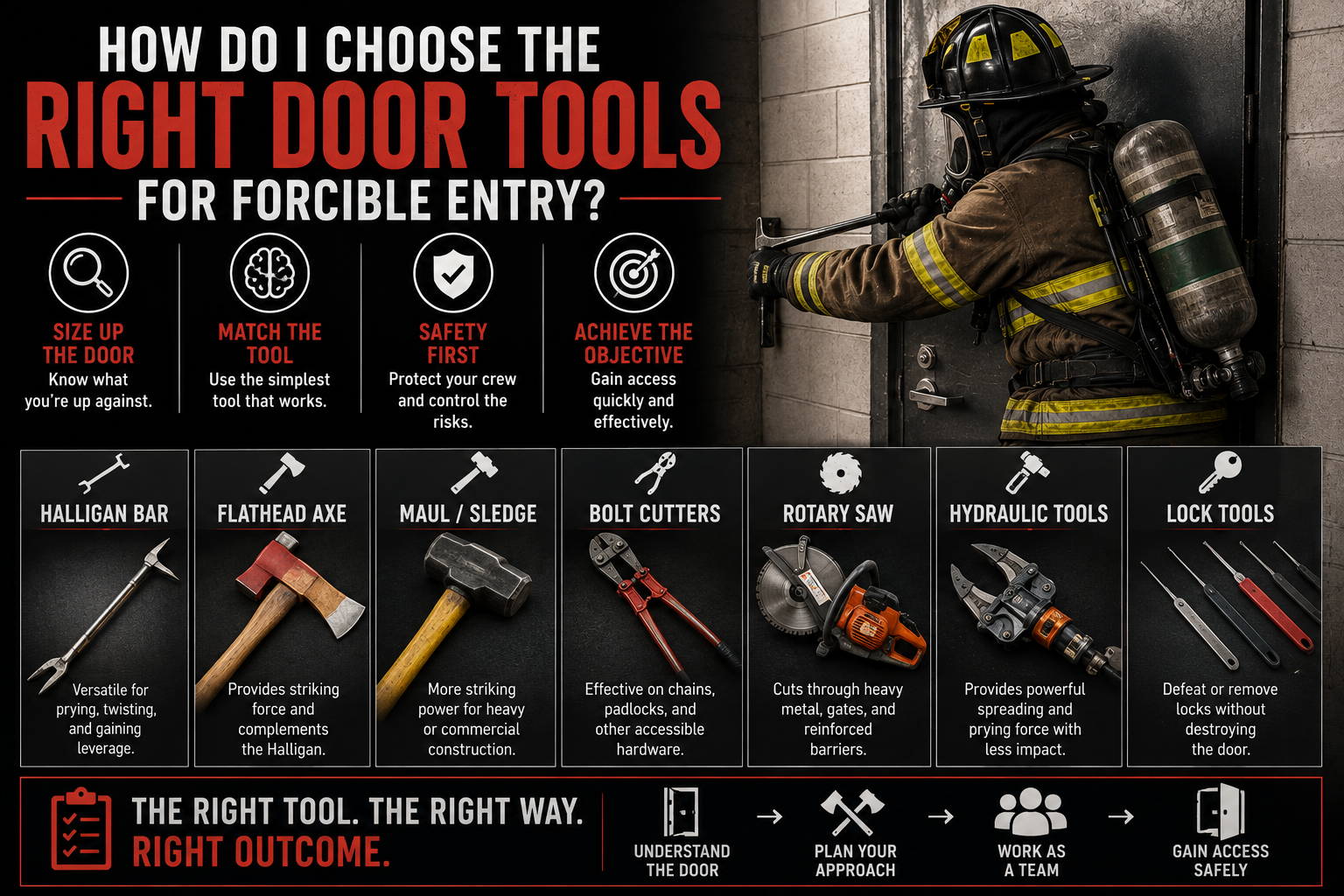
Train With the Tools Your Crews Actually Carry
Regular training is most valuable when firefighters use equipment similar to what they will have available during an incident.
For conventional forcible entry, this often includes a Halligan and striking tool.
Firefighters should practice carrying, positioning, and operating those tools while wearing their normal protective equipment.
If different apparatus carry different tool configurations, training can expose firefighters to those differences as well.
A firefighter shouldn't discover during an emergency that the tool combination available on a particular apparatus feels unfamiliar.
Frequent training provides opportunities to identify those issues beforehand.
Rotate Firefighters Through Both Positions
Two-person forcible entry requires coordination.
One firefighter typically controls and positions the Halligan while another operates the striking tool.
Both roles require practice.
If firefighters consistently train in only one position, they may become highly proficient with one part of the evolution while remaining uncomfortable with the other.
Rotating positions helps firefighters understand the entire process.
It can also improve communication because each firefighter understands what the person in the other position needs.
The firefighter swinging the axe learns how the Halligan firefighter wants strikes delivered.
The Halligan firefighter learns what positioning makes accurate striking easier.
That familiarity can make the team more efficient.
Training Should Progress From Technique to Decision-Making
A useful way to structure recurring forcible entry training is to gradually increase complexity.
Early sessions can emphasize basic mechanics:
Size up. Gap. Set. Force.
Once firefighters demonstrate consistent technique, instructors can introduce additional challenges.
Resistance can increase.
Visibility can decrease.
Different door orientations can be introduced.
Firefighters can operate in full PPE.
Time pressure can be added.
Crews can be given scenarios instead of explicit instructions.
Eventually, the instructor may simply tell the crew what their assignment is and allow the firefighters to determine how to overcome the entry problem.
This progression keeps training useful even for experienced firefighters.
How Can Instructors Tell When More Training Is Needed?
Training frequency should also respond to performance.
If instructors consistently see firefighters struggling with a particular part of forcible entry, waiting for the next scheduled annual training session doesn't make much sense.
Common warning signs might include difficulty establishing a gap, poor Halligan placement, inaccurate striking, weak communication between partners, incorrect identification of door orientation, or excessive reliance on brute force.
These problems can become the focus of the next company drill.
This is one of the advantages of frequent shorter training sessions. Departments can address weaknesses while they are still fresh instead of allowing them to persist for months.
Quality Matters More Than Simply Logging Training Hours
Fire departments understandably document training hours, but the number of hours spent on forcible entry does not necessarily indicate proficiency.
A firefighter can spend hours watching demonstrations without receiving many meaningful repetitions.
Conversely, a focused hands-on drill may provide substantial value in a relatively short period.
Departments should therefore consider both frequency and quality.
Are firefighters actually operating the tools?
Are they rotating positions?
Are instructors correcting technique?
Are the scenarios changing?
Are firefighters being required to make decisions?
Are they practicing in equipment similar to what they'll wear operationally?
Those questions may reveal more about the effectiveness of a training program than simply counting annual hours.
A Practical Approach to Forcible Entry Training Frequency
Rather than looking for a universal rule such as "forcible entry must be practiced exactly once every 30 days," departments can build a layered training schedule.
Comprehensive forcible entry sessions can be conducted periodically throughout the year. Smaller company-level drills can reinforce individual skills between those sessions. Forcible entry can also be incorporated into larger fireground scenarios whenever appropriate.
This creates repeated exposure without requiring the department to constantly dedicate entire training days to one subject.
Departments should establish their actual training requirements according to applicable laws, standards, department policies, operational needs, and the direction of their training officers.
The objective is straightforward: firefighters shouldn't go so long between meaningful repetitions that fundamental forcible entry skills begin to deteriorate.
Consistency Builds Forcible Entry Proficiency
There is no perfect training interval that applies to every fire department.
A busy urban department, a suburban combination department, and a rural volunteer department may have very different staffing, call volume, facilities, and training schedules.
But the underlying principle remains the same.
Forcible entry is a hands-on skill, and hands-on skills require repetition.
Departments that combine periodic comprehensive training with shorter skill-maintenance drills can give firefighters more opportunities to practice tool placement, communication, door size-up, leverage, and decision-making.
Reusable training equipment makes that approach easier because instructors can reset the evolution and provide multiple firefighters with meaningful repetitions.
Ultimately, the goal isn't to meet an arbitrary number of forcible entry training sessions each year.
The goal is to make sure that when firefighters encounter a locked door during an actual emergency, the first time they've picked up the irons in months isn't when someone is waiting on the other side.