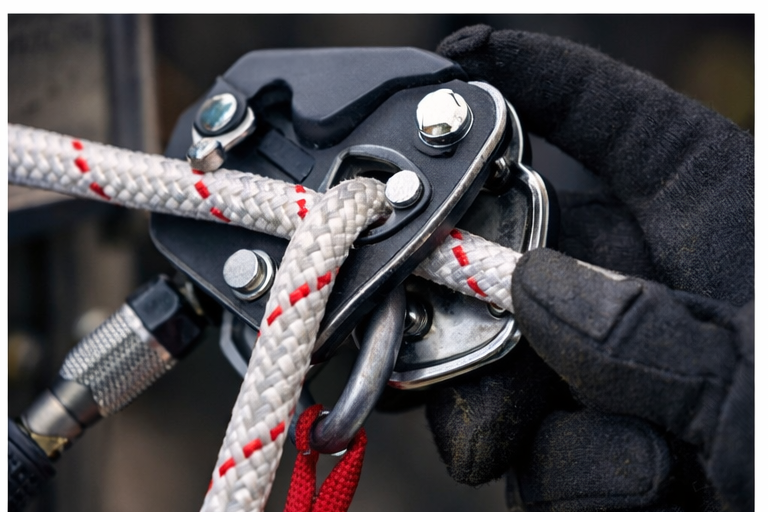







Static rope is one of the most important and expensive components in a rescue cache. While modern rescue rope is engineered for durability, improper handling and storage can significantly reduce its service life. In some cases, damage may not be immediately visible, creating hidden risk.
Understanding how rope is commonly damaged allows teams to protect their investment and, more importantly, maintain safety. Many rope failures are not the result of overload but of cumulative damage from everyday practices.
This article examines the most common mistakes that shorten static rope life and explains how to avoid them.
Improper Storage and Environmental Exposure
One of the most frequent sources of rope degradation occurs off the rescue scene. Rope stored improperly between uses may be exposed to conditions that weaken fibers over time.
Common storage-related issues include:
-
Prolonged UV exposure
-
Contact with fuels, oils, or solvents
-
Storage in damp or poorly ventilated spaces
Even when damage is not immediately apparent, chemical contamination can compromise rope strength. Proper storage in clean, dry, and protected environments is one of the simplest ways to extend rope life.
Edge Abrasion and Inadequate Protection
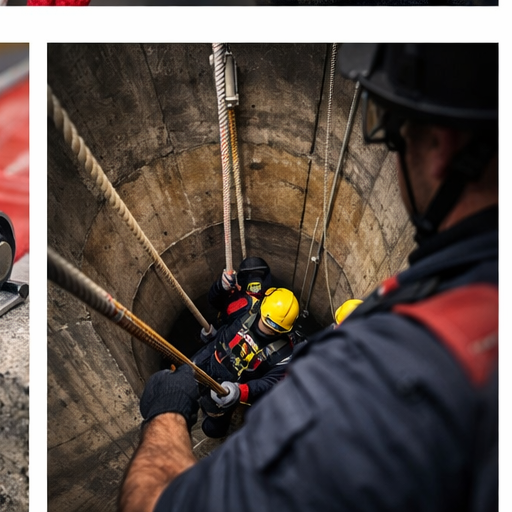
Edges are the leading cause of rope wear in rescue operations. Repeated contact with sharp or abrasive surfaces can damage the sheath and, eventually, the core.
Problems often arise when:
-
Edge protection is not used consistently
-
Rope movement is allowed under load
-
Contact points shift during operations
Even high-quality static rope cannot tolerate prolonged abrasion. Effective edge management and continuous monitoring are essential, particularly during extended operations or training.
Using Static Rope Outside Its Intended Purpose
Static rope is designed for controlled movement under load. Using it in applications that introduce shock loading or uncontrolled forces can cause internal damage that is difficult to detect.
Examples of misuse include:
-
Using static rope for lead climbing
-
Subjecting rope to sudden dynamic loads
-
Repurposing rescue rope for non-rescue tasks
Even if a rope appears undamaged afterward, internal fibers may be compromised. Limiting rope use to its intended applications preserves both strength and reliability.
Inspection Gaps and Delayed Retirement
Regular inspection is critical, but inspection alone is not enough if findings are ignored. Teams sometimes delay rope retirement due to cost or uncertainty, increasing risk unnecessarily.
Rope should be retired when signs such as these are present:
-
Core exposure or sheath separation
-
Glazing or stiff sections
-
Chemical odor or contamination
-
Unknown load or incident history
When there is doubt, retirement is the safer choice.
Conclusion
Most static rope damage is preventable. Proper storage, consistent edge protection, appropriate use, and timely retirement all contribute to longer service life and safer operations. Rope care is not just about preserving equipment—it is about protecting the people who depend on it.